
If you live in the Boston area, it’s easy to think the gardening season is winding down once July arrives. The tomatoes are growing, peppers are flowering, and many gardeners simply wait for harvest.
But here’s something I’ve learned after gardening through several New England summers: July is actually the perfect time to start another round of cool-season vegetables.
Because Massachusetts has a long autumn with gradually cooling temperatures, many vegetables grow even better in late summer than they do in spring. Less heat stress, fewer pests, and crisp fall weather often mean sweeter harvests.
Whether you’re gardening in Boston, Cambridge, Lexington, Waltham, or anywhere in USDA Zones 6a–6b, here’s what you can still plant in July.
Best Vegetables to Plant in Boston During July
1. Bush Beans
Bush beans mature quickly, usually within 50–60 days, making them one of the easiest July crops.
Direct sow seeds into warm soil, keep them watered during hot spells, and you’ll often harvest fresh beans before September arrives.
Growing Tips
- Full sun
- Sow every 2–3 weeks for continuous harvest
- Keep soil consistently moist
Recommended seeds
Affiliate Recommendation:
The Blue Lake Bush Bean variety is reliable, productive, and beginner-friendly.


2. Carrots
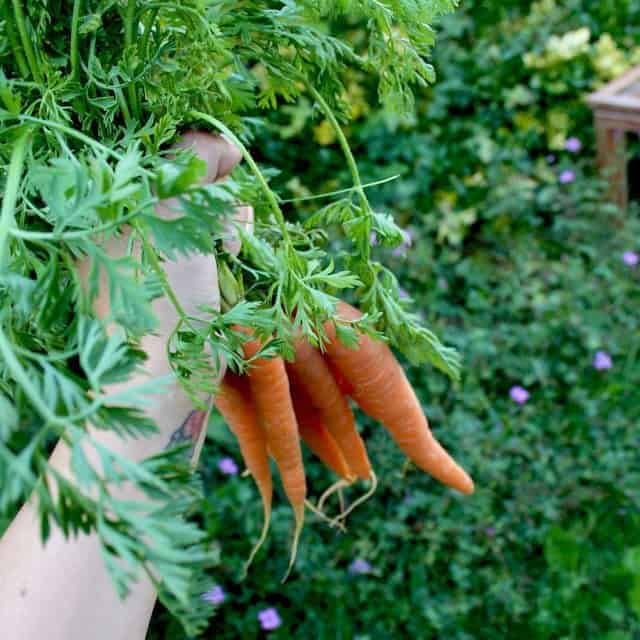
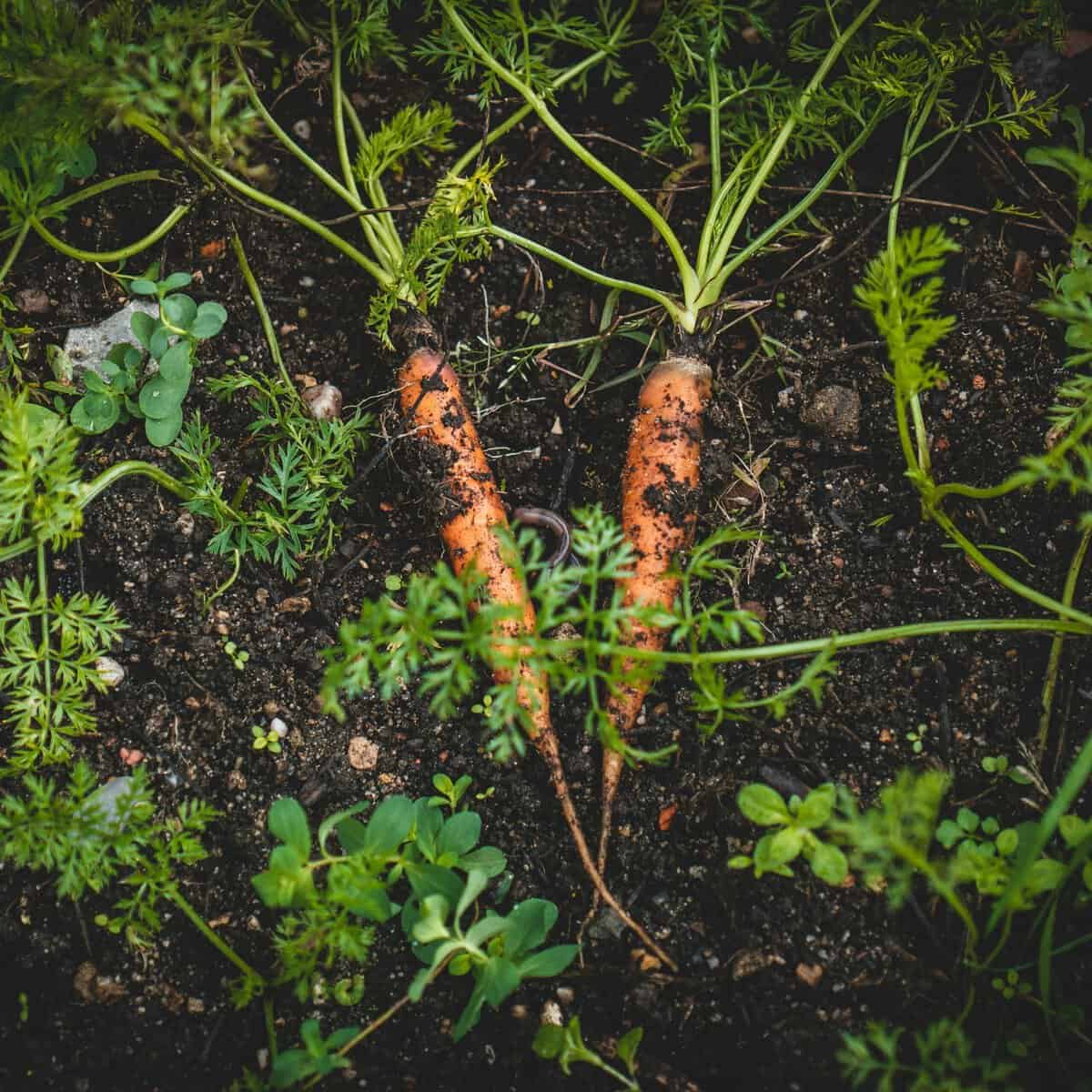
July is one of my favorite times to plant carrots.
Spring carrots sometimes struggle with cool soil, but warm July ground helps seeds germinate much faster.
Harvest usually begins in September or October, and cool autumn nights make carrots noticeably sweeter.
Growing Tips
- Keep soil loose and stone-free
- Water lightly until seeds germinate
- Thin seedlings early
3. Beets
Beets tolerate cooler weather very well.
Both the roots and leafy tops are edible, making them one of the most productive vegetables for smaller gardens.
Most varieties mature in 55–65 days.


4. Kale
Kale actually tastes better after cool nights.
Many experienced New England gardeners purposely wait until July to start their fall kale crop.
By September, the leaves become sweeter and more tender.
Growing Tips
- Water regularly
- Harvest outer leaves first
- Protect from cabbage worms
One thing that has saved my kale every summer is using a lightweight floating row cover. It keeps cabbage worms and other pests away without needing chemical sprays, while still allowing sunlight and rain to reach the plants.
Floating Row Cover for Vegetable Gardens


5. Lettuce
Although July can be hot, you can still grow lettuce successfully.
Choose heat-tolerant varieties and provide afternoon shade if possible.


6. Swiss Chard
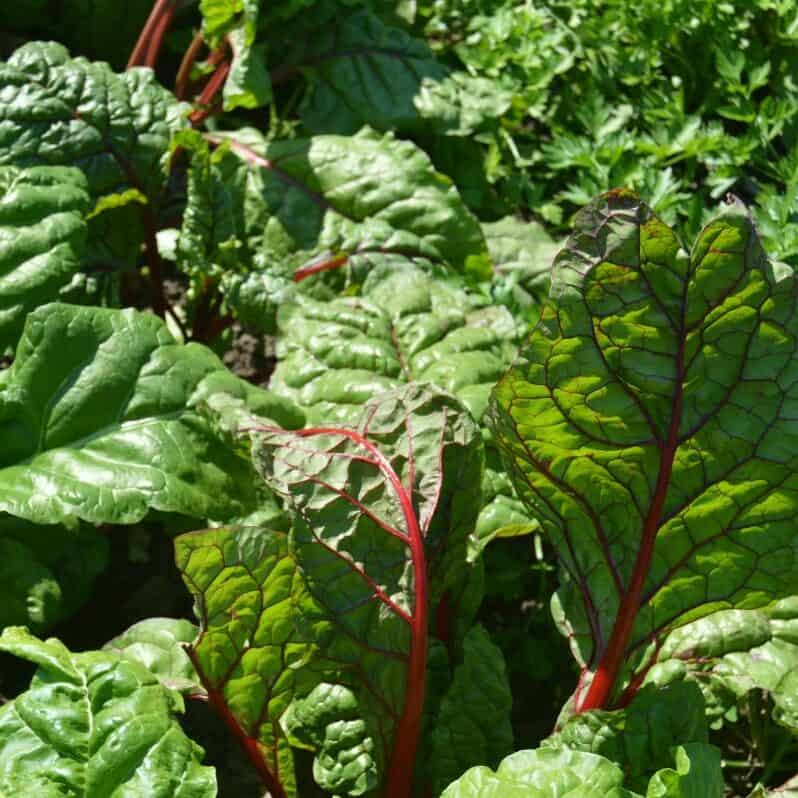
Swiss chard is one of the easiest vegetables for beginners.
It handles summer heat much better than spinach while continuing to produce until frost.
Harvest individual leaves whenever needed.

7. Cucumbers (Early July Only)
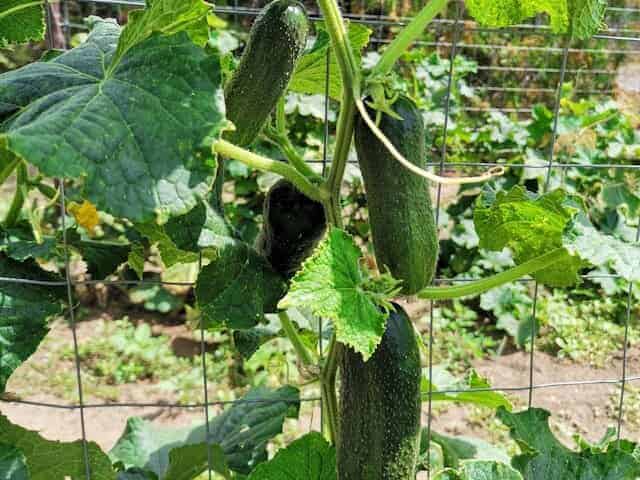
If it’s still early July, fast-growing cucumber varieties can produce before the first frost.
Give vines plenty of water during hot weather.

Herbs You Can Still Plant
Many herbs thrive when planted in July.
Great choices include:
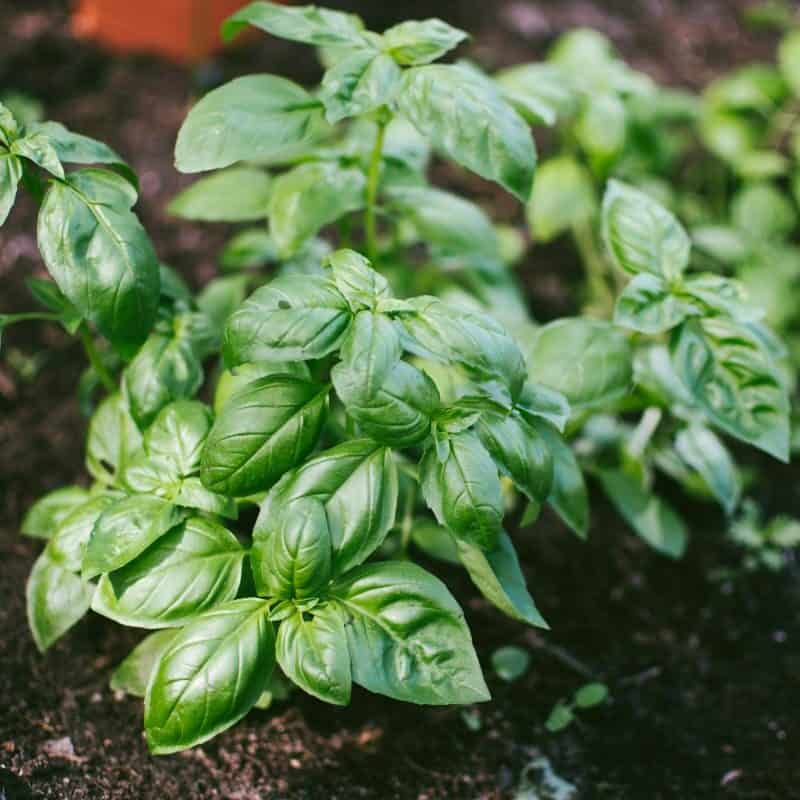
- Basil
- Dill
- Cilantro (late July)
- Parsley
- Chives
Fresh herbs require very little space and grow well in containers.

Gardening Tips for Boston’s July Heat
Summer temperatures in eastern Massachusetts can occasionally reach the upper 80s or even low 90s.
A few habits make a noticeable difference:
- Water deeply in the early morning.
- Add 2–3 inches of mulch around plants.
- Harvest beans and cucumbers regularly.
- Fertilize lightly every few weeks.
- Watch for Japanese beetles and cabbage worms.
Healthy soil retains moisture much longer during hot weather.
Gardening Supplies Worth Having
You don’t need a garage full of expensive tools, but a few basics make gardening much easier.
Helpful items include:
- Garden gloves
- Hand trowel
- Watering wand
- Floating row cover
- Organic vegetable fertilizer
- Mulch
Frequently Asked Questions
Is July too late to plant vegetables in Boston?
Not at all.
Many cool-season vegetables actually perform better when planted in July for an autumn harvest.
What grows fastest?
Bush beans, lettuce, radishes, and some baby greens are among the quickest crops.
Can I still plant tomatoes?
Usually no.
By mid-July, tomato transplants often don’t have enough time to mature before frost unless you’re using very early varieties.
How often should I water in July?
Most vegetable gardens need about 1–1½ inches of water each week, with more during prolonged hot weather.
Final Thoughts
One of the biggest surprises for new gardeners is realizing that July isn’t the end of the growing season in Massachusetts—it’s the beginning of the fall garden.
A few packets of seeds and a little planning can keep your garden producing fresh vegetables well into October. Even a small raised bed or a few containers can provide beans, carrots, kale, lettuce, herbs, and more after many people have already stopped planting.
If you’re just getting started, choose two or three easy crops like bush beans, kale, and carrots. They’re forgiving, productive, and a great way to enjoy a second harvest before winter arrives.
Related Articles
- How to Start Seeds in Cold Weather (Plastic Cover Method That Works)
- When to Plant Tomatoes in Boston: A Beginner’s Guide
- 10 Best Gardening Tools for Beginners
Affiliate Disclosure
This post may contain affiliate links. As an Amazon Associate, I earn from qualifying purchases at no extra cost to you.