
Raised beds are one of the most efficient ways to grow vegetables. They provide better soil quality, improved drainage, and higher yields compared to traditional gardening.
However, choosing the right crops is key to success.
This guide covers what vegetables grow best in raised beds and how to get the most out of your garden.
If you’re just getting started, having the right setup makes a huge difference. A good, raised bed, high-quality soil, and beginner-friendly seeds can dramatically increase your success rate.
👉 Check out some beginner-friendly raised bed gardening essentials here:
What Vegetables Grow Best in Raised Beds?
Lettuce


Lettuce grows quickly and thrives in shallow soil. It’s perfect for beginners and allows multiple harvests throughout the season.
Tip: Lettuce grows best when planted successively every 2–3 weeks.
👉You can find high-germination lettuce seed varieties here
Tomatoes


Tomatoes perform extremely well in raised beds thanks to better drainage and warmer soil. With proper support, they produce heavily in a small space.
Since tomatoes can grow tall and heavy, using a support system is highly recommended.
👉 Tomato cages and trellis kits can make a big difference
Carrots
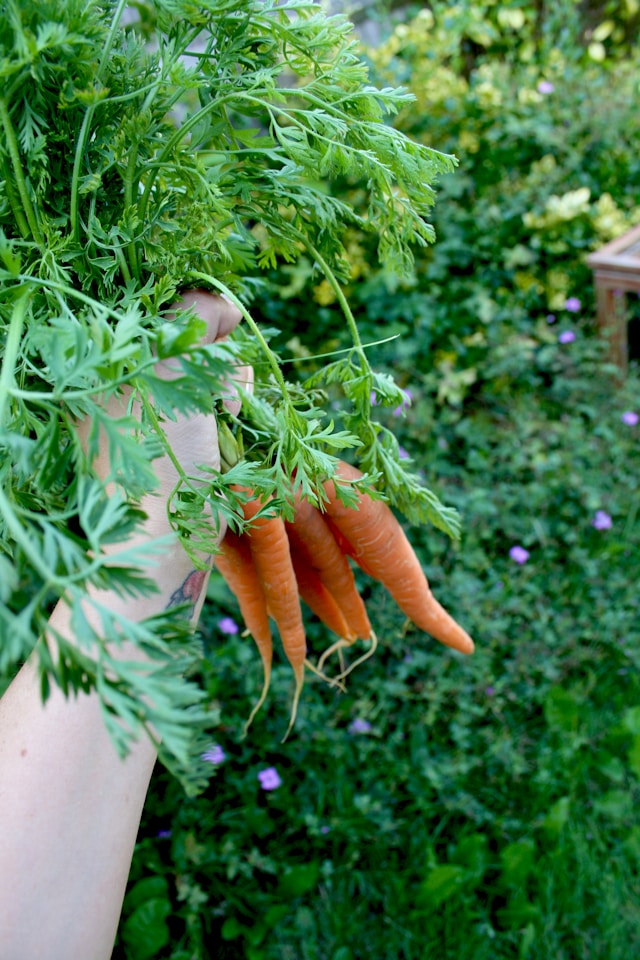


Loose soil in raised beds allows carrots to grow straight and healthy. This results in better shape and fewer deformities.
Root vegetables perform best in loose, well-draining soil.
👉 A loose organic soil mix specifically for raised beds can help improve root growth
Cucumbers


Cucumbers benefit from vertical growth in raised beds. Training them on a trellis saves space and keeps fruit clean.
Climbing plants like cucumbers and beans grow better with vertical support.
👉Consider using a garden trellis to maximize your space
Peppers


Peppers love warm soil, which raised beds provide. They are compact plants and ideal for small garden spaces.
Herbs
Herbs such as basil, parsley, and thyme are low maintenance and perfect for raised beds. They grow well along the edges and can be harvested continuously.


Why Do Vegetables Grow Better in Raised Beds?
Raised beds improve growing conditions by offering better control over soil quality, improved drainage, and faster soil warming in spring.
They also reduce weed pressure and make gardening easier.
👉 Want to grow even more successfully?
You may also like:
How to Maximize Yield in Raised Beds
Use a high-quality soil mix rich in compost and organic matter.
Plant crops closer together using intensive planting methods.
Grow vertically whenever possible to save space.
Water consistently, as raised beds tend to dry out faster than ground soil.
What Should You Avoid in Raised Beds?
Large, sprawling crops like corn, pumpkins, and melons are not ideal for raised beds because they require too much space.
Additional Tips for Success
Rotate crops each season to maintain soil health.
Add compost regularly to replenish nutrients.
Avoid overcrowding plants.
Choose compact or dwarf varieties whenever possible.
Conclusion
Raised beds can significantly improve your gardening results when used correctly.
By choosing the right vegetables and applying simple strategies, you can grow more food in less space with less effort.
Affiliate Disclosure
This post may contain affiliate links. As an Amazon Associate, I earn from qualifying purchases at no extra cost to you.