
Why Is Your Garden Soil Getting Harder Every Year?
Many gardeners notice the same pattern after growing vegetables in the same area for several seasons.
At first, plants thrive with minimal effort. The soil is loose, dark, and full of life. But over time, things start to change.
The soil becomes compacted and difficult to work with. Water tends to pool on the surface instead of soaking in. Vegetable plants appear weaker, leaves may yellow more often, and earthworms become harder to find.
It’s easy to assume that the solution is simply adding more fertilizer.
In reality, the problem is often deeper than a lack of nutrients.
Years of relying heavily on chemical fertilizers can gradually reduce soil organic matter and microbial activity. As soil structure deteriorates, plant roots struggle to access water, nutrients, and oxygen.
This is why many experienced gardeners focus on improving the soil itself rather than constantly increasing fertilizer applications.
One of the simplest ways to do that is by growing nitrogen-fixing plants.
What Are Nitrogen-Fixing Plants?
Nearly 78% of the Earth’s atmosphere is made up of nitrogen gas.
Unfortunately, most vegetables cannot use atmospheric nitrogen directly.
Certain plants, particularly legumes, form a partnership with beneficial bacteria known as rhizobia. These bacteria live inside root nodules and convert atmospheric nitrogen into forms plants can absorb and use.
When these plants are later cut down and incorporated into the soil, much of that stored nitrogen and organic matter is returned to the garden.
In other words, you’re allowing nature to help fertilize your soil.


1. Soybeans: One of the Best Nitrogen-Fixing Crops for Home Gardens
If you’re new to cover cropping, soybeans are an excellent place to start.
They’re easy to grow, seeds are widely available, and you can even harvest the pods before using the remaining plants as green manure.
Many gardeners plant soybeans alongside corn, tomatoes, or peppers to make better use of garden space.
As the plants reach flowering stage, root nodules typically become well established, making this an ideal time to maximize their soil-building benefits.


2. Peanuts: A Productive Crop That Also Builds Soil
Most people think of peanuts as a food crop, but they are also highly effective nitrogen fixers.
Their root systems penetrate deeper into the soil than many common vegetables, helping improve soil structure and aeration.
Gardeners with compacted soil often notice improved texture after a season of growing peanuts.
In warmer climates, peanuts can serve as both a harvest crop and a valuable soil-improvement tool.


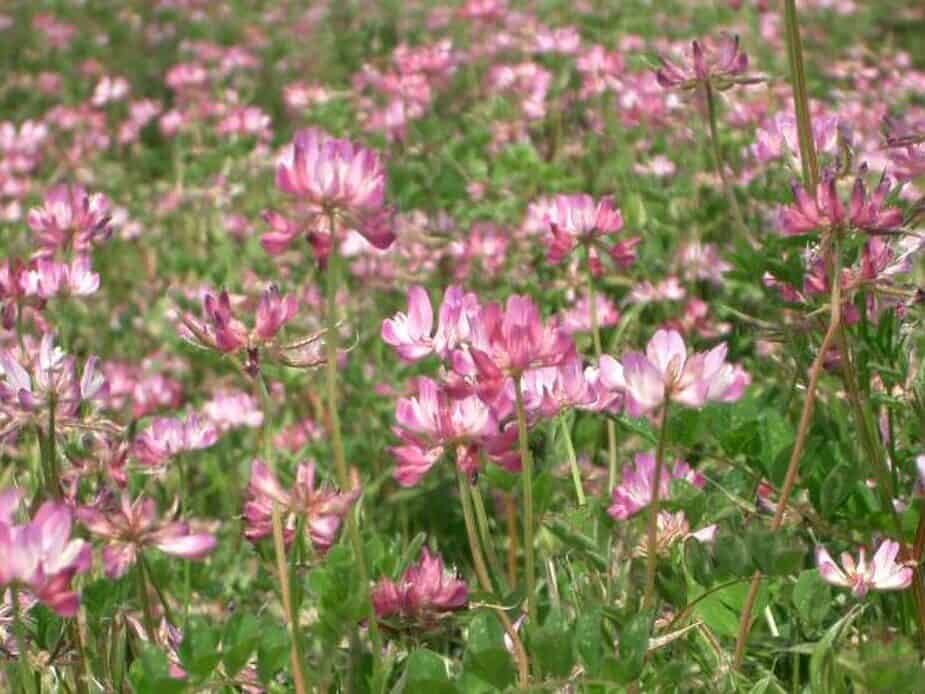
3. Chinese Milk Vetch: A Traditional Green Manure Favorite
For centuries, farmers throughout Asia have used Chinese milk vetch as a cover crop and green manure.
In spring, its beautiful purple flowers create stunning fields while quietly enriching the soil below.
One reason it remains popular is its ability to produce large amounts of biomass in a relatively short period.
When incorporated into the soil around peak bloom, it provides valuable organic matter that feeds soil microbes and improves fertility.

4. Sesbania: A Fast-Growing Soil Builder
If your garden soil has become severely depleted or compacted, Sesbania may be worth considering.
This vigorous legume grows rapidly and produces significant amounts of leafy material during a single growing season.
After being cut and worked into the soil, the plant material decomposes and contributes organic matter that helps loosen heavy soils and improve water infiltration.
It is particularly useful in vegetable beds that have been intensively cultivated for many years.


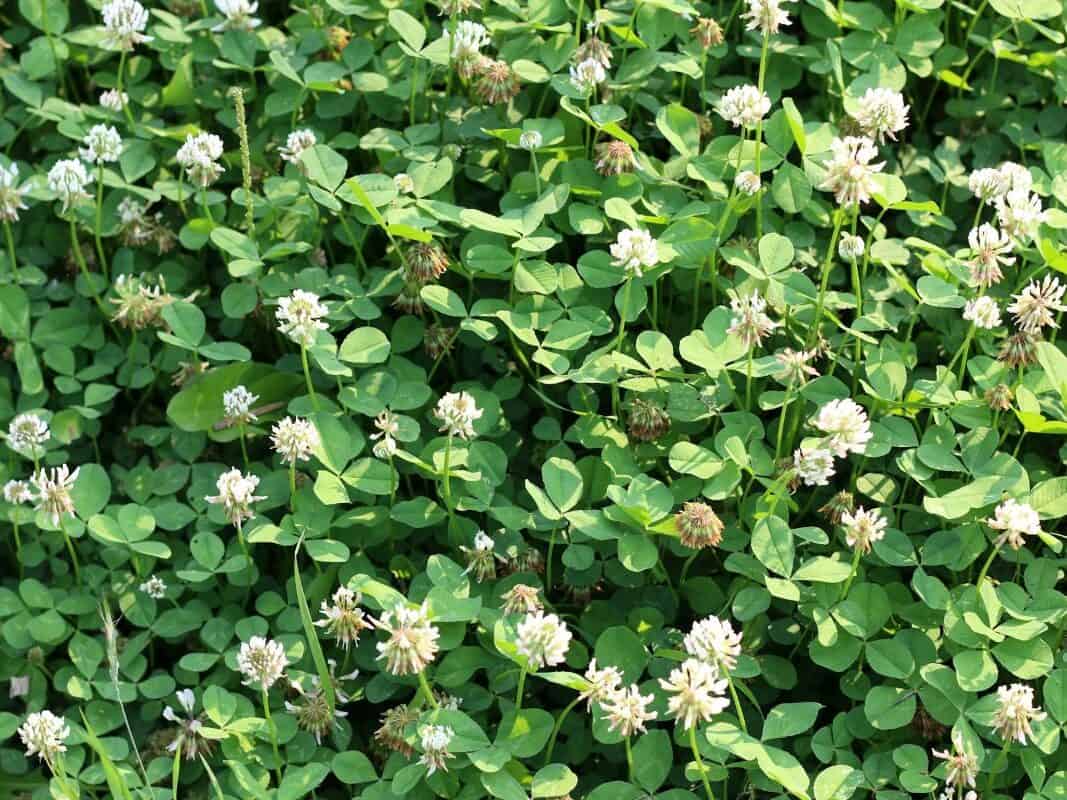
5. White Clover: The Living Mulch That Keeps Working
Unlike many annual cover crops, white clover can persist year after year with minimal maintenance.
Once established, it forms a living ground cover that provides multiple benefits:
- Fixes nitrogen continuously
- Helps suppress weeds
- Reduces moisture loss
- Protects soil from summer heat
- Attracts bees and other pollinators
For fruit trees, raised beds, and orchard systems, white clover is often one of the easiest long-term soil improvement strategies.

A Simple 90-Day Plan to Improve Garden Soil
If your soil feels hard, lifeless, or difficult to grow in, consider following a simple three-month soil recovery plan.
Month 1: Assess and Feed the Soil
Start by observing:
- Soil compaction
- Drainage performance
- Earthworm activity
- Overall soil texture
Adding finished compost at this stage can help jump-start biological activity.
Internal Link Suggestion:
Month 2: Plant Nitrogen-Fixing Crops
Choose one or more of the following:
- Soybeans
- Peanuts
- White Clover
Allow the plants to establish healthy root systems and root nodules.
Month 3: Incorporate the Plants Into the Soil
Before the plants become overly mature, cut them down and work the material into the top few inches of soil.
Keep the soil lightly moist for several weeks to encourage decomposition.
After 2–4 weeks, the bed is usually ready for the next vegetable crop.
One Common Mistake Many Gardeners Make
Some gardeners grow legumes and expect automatic nitrogen fixation.
However, not all soils contain the specific rhizobium bacteria required by every legume species.
Without these beneficial microbes, plants may grow normally but produce few or no root nodules.
If you’re planting legumes for the first time, using a rhizobium inoculant can significantly improve results.
Recommended Gardening Products
Compost Bin
A quality compost bin makes it easier to create nutrient-rich organic matter at home.
Soil Test Kit
Before starting any soil improvement project, it helps to understand your soil’s pH and nutrient levels.
Final Thoughts
Healthy gardens start with healthy soil.
While fertilizers certainly have their place, long-term productivity depends on maintaining a living soil ecosystem filled with organic matter, beneficial microbes, and active biological processes.
Growing nitrogen-fixing plants such as soybeans, peanuts, Chinese milk vetch, Sesbania, and white clover is one of the simplest and most affordable ways to rebuild soil naturally.
Sometimes the problem isn’t that your vegetables need more fertilizer.
Sometimes the soil itself simply needs a chance to recover.
Affiliate Disclosure
This post may contain affiliate links. As an Amazon Associate, I earn from qualifying purchases at no extra cost to you.