Introduction
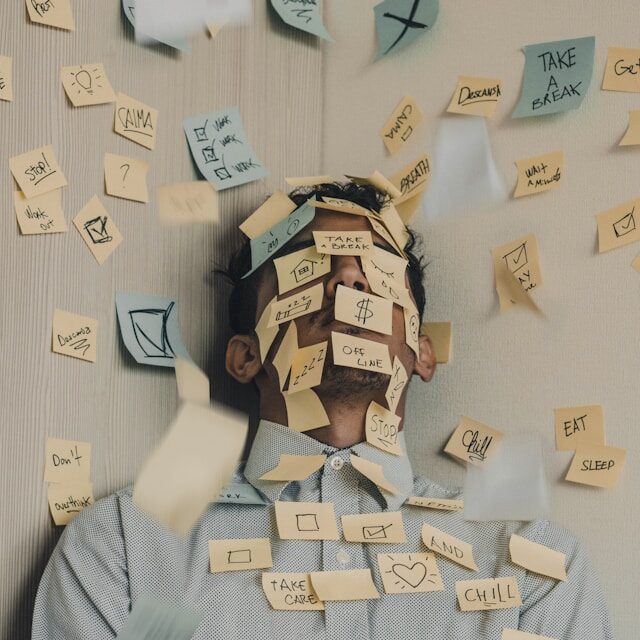
Before your day even begins, your brain is already working overtime.
What to wear.
What to check first.
What matters most.
👉 By 9 AM, you’ve already made dozens of decisions.
And that constant mental effort adds up.
Most people don’t realize it, but this is why they feel:
- Mentally drained
- Easily distracted
- Unable to focus
👉 This is called decision fatigue.
What Is Decision Fatigue?
Decision fatigue happens when your brain gets tired from making too many choices.
Even small decisions consume energy.
As the day goes on, your ability to think clearly drops.
You may notice:
- You procrastinate more
- You avoid important tasks
- You choose what’s easy, not what’s right
👉 It’s not a discipline problem — it’s a mental energy problem.
A Common Daily Scenario
You start your day with good intentions.
But by afternoon:
- You switch tasks constantly
- You check your phone without thinking
- You delay simple decisions
By evening, even choosing dinner feels exhausting.
👉 This isn’t laziness — it’s cognitive overload.
How Meditation Reduces Decision Fatigue



Meditation works because it removes what your brain is overloaded with:
👉 constant input and internal noise
When you sit quietly and focus on your breath:
- You stop reacting to every thought
- You slow down mental activity
- You reduce unnecessary thinking
Research in psychology shows that reducing cognitive load improves focus, decision-making, and emotional control.
👉 Meditation helps lower that load.
Without vs With Meditation
Without meditation:
- Constant mental noise
- Reactive decisions
- Easily overwhelmed
With meditation:
- Clearer thinking
- Fewer unnecessary choices
- Better focus and control
👉 Same life, different mental state.
The Hidden Benefit: Fewer Internal Decisions
Most people think meditation is about relaxing.
But the real benefit is deeper:
👉 You make fewer unnecessary decisions in your mind
Instead of constantly questioning everything, you begin to:
- Observe thoughts without reacting
- Let go of non-essential choices
- Focus on what actually matters
A Simple Way to Start (No Overthinking)
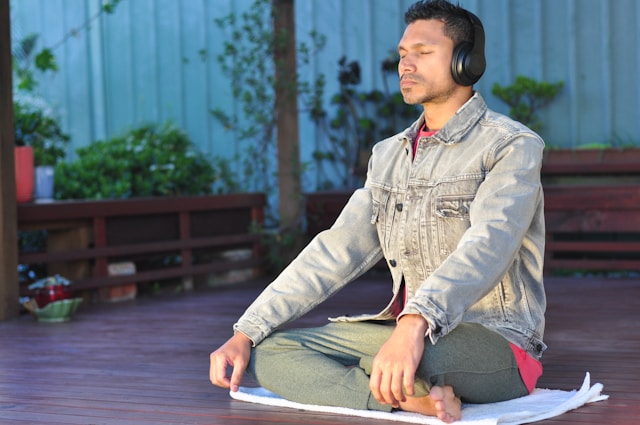
You don’t need apps, music, or complicated steps.
Start like this:
- Sit comfortably
- Close your eyes
- Focus on your breathing
- Do it for 5 minutes
If your mind wanders, gently bring it back.
👉 Simple = sustainable.
Common Mistakes Beginners Make


- Trying to empty your mind completely
- Expecting instant results
- Making it too long or complicated
- Giving up too quickly
👉 Meditation is not about doing it perfectly — it’s about doing it consistently.
Combine This With Fewer Daily Priorities
Meditation becomes much more effective when you reduce daily decisions.
Try this:
- 1 important task
- 1 physical activity
- 1 mental reset (meditation)
👉 This structure keeps your day simple and clear.
Why Simplicity Wins
Most people try to fix mental fatigue by adding more:
More plans.
More tools.
More optimization.
But that creates even more decisions.
👉 Clarity comes from removing, not adding.
Try This Today
Before you go to bed tonight:
- Sit quietly for 5 minutes
- Focus only on your breathing
- Let thoughts pass without reacting
👉 No apps. No pressure. Just start.


👉 You may also like: How to Simplify Your Life at Home (10 Simple Living Ideas That Actually Work)
Final Thought
If your brain feels tired all the time, the problem isn’t that you’re doing too little.
👉 It’s that you’re deciding too much.
Reduce your decisions.
Simplify your day.
Add a few minutes of meditation.
👉 And your mind will feel lighter, calmer, and clearer.
Related Articles
- How to Start a Simple Daily Routine That Actually Sticks
- 3 Daily Habits That Instantly Reduce Mental Overload