🌿 What Is Early Spring Gardening?
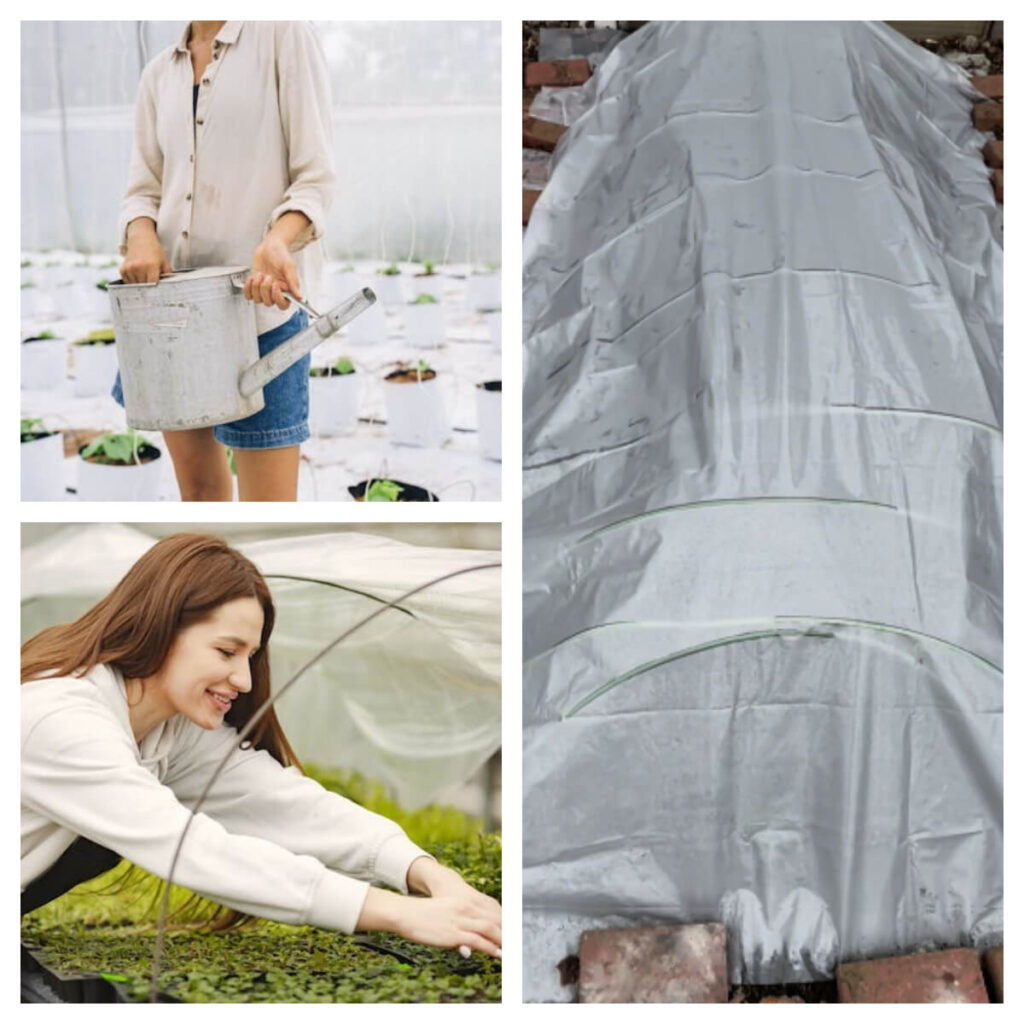
Early spring gardening means planting vegetables as soon as the soil is no longer frozen and can be worked.
In cold climates like New England (Zone 5–6), this usually happens between late March and April, when soil temperatures reach around 50°F (10°C).
Using simple protection methods such as plastic covers or low tunnels can significantly improve early growth conditions.
You can check your local planting timeline using the USDA Plant Hardiness Zone map:
https://planthardiness.ars.usda.gov/
🌿 Quick Answer for Beginners
If you’re gardening in a cold climate, you can start growing vegetables in early spring as soon as the soil is workable — usually 4–6 weeks before your last frost date.
Cold-hardy vegetables like spinach, lettuce, peas, and radishes can tolerate lower temperatures and even light frost.
Simple protection methods, such as plastic or row covers, can greatly improve your success rate.
👉 If you’re starting seeds in colder temperatures, you may also find this helpful:
How to Start Seeds in Cold Weather (Plastic Cover Method That Works)
❓ Why Do Vegetables Struggle in Early Spring?
Vegetables often struggle in early spring because:
- Soil temperature is still too low for root activity
- Plants are recovering from winter stress
- Weather conditions are unstable
👉 This is normal, especially in cold climates.
🌱 Why Seeds Fail in Cold Weather (And How to Fix It)
Many beginners struggle with early spring planting because seeds don’t always germinate well in cold conditions.
Here are the most common reasons:
- Soil is too cold – Most seeds need warmer soil to sprout
- Too much water – Cold + wet soil can cause rot
- Lack of sunlight – Weak seedlings fail quickly
- Planting too early – Timing matters more than enthusiasm
👉 Simple fix:
Wait until soil is workable, use a seed starter indoors, or protect your plants with covers.
🌱 Struggling with Weak or Slow Seedlings?
If your seeds take too long to sprout or grow thin and weak,
it’s usually not your fault — it’s your setup.
A simple beginner setup can make a huge difference in how fast and strong your plants grow.
Most gardeners use:
- A basic grow light
- Seed starting trays
- Lightweight seed starting soil
👉 See the beginner setup here:
👉 Beginner Seed Starting Setup (Budget-Friendly Guide)
This is especially helpful in early spring when temperatures are still low.
❄️ When Should You Start Planting?
A simple rule:
- Plant when the soil is no longer frozen and can be worked
- Usually 4–6 weeks before your last frost date
💡 Cold soil slows germination, so starting slightly later is often better than too early.
🧊 How to Protect Plants in Early Spring
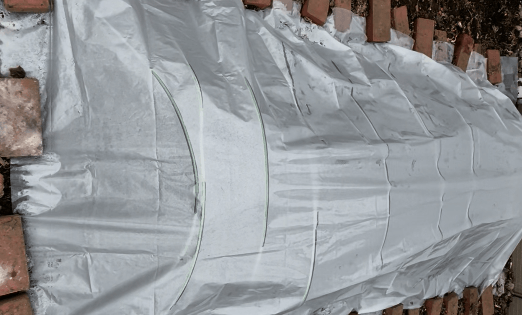
A plastic cover creates a mini greenhouse effect:
- Traps heat during the day
- Retains moisture
- Protects plants from frost
However, you may notice condensation forming inside the cover. This is normal, but excessive moisture can increase humidity, so occasional ventilation is recommended.
👉 See more: How to Start Seeds in Cold Weather (Plastic Cover Method That Works)
🛠️ Other Easy Protection Methods
In addition to plastic covers, you can also use:
- Row covers to protect from frost while allowing airflow
- Cold frames for a simple greenhouse effect
- Mulch to keep soil temperature stable
These methods are especially useful during sudden cold nights.
🧑🌾 Why Do Leaves Turn Yellow After Winter?
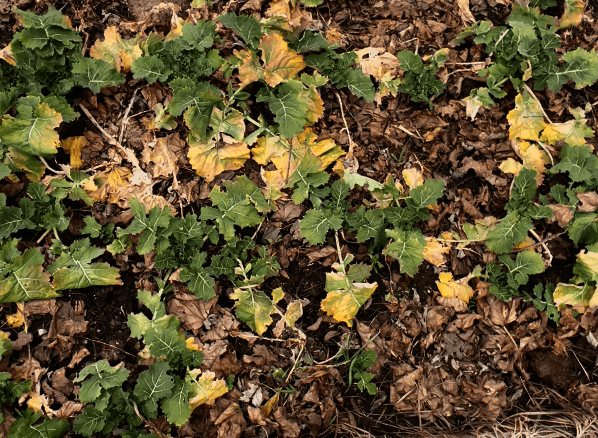
Many gardeners worry when they see yellow leaves in early spring.
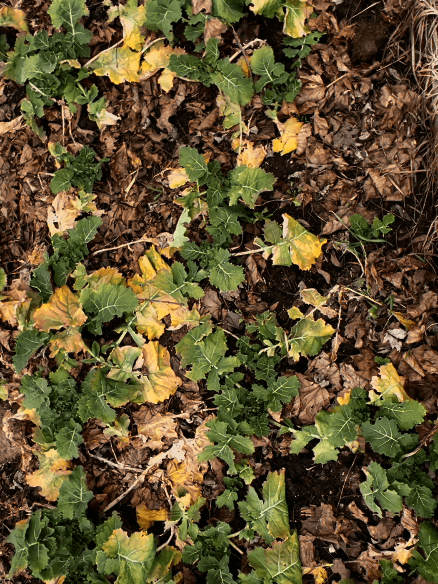
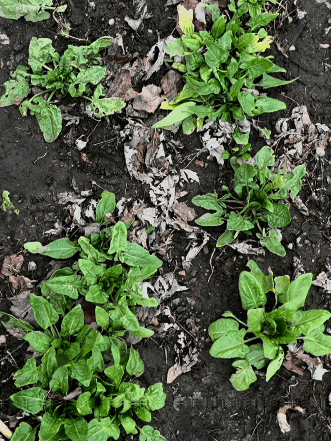
In my own garden, my German kale developed yellow and soft leaves after going through a cold winter. This was not caused by disease or nutrient deficiency.
Instead, it was the result of cold exposure during winter.
Freeze–thaw cycles can damage leaf tissue while the roots remain alive. As temperatures rise, the plant begins to recover naturally.
Older leaves decline, and new growth gradually appears. This is a normal part of the recovery process.
🌱 What Does Healthy Regrowth Look Like?
As temperatures increase, healthy plants begin to show clear signs of recovery.
New leaves appear greener and stronger, and overall growth becomes more consistent. This indicates that the plant has successfully moved beyond the recovery stage.
🥬 What Vegetables Grow Best in Early Spring?
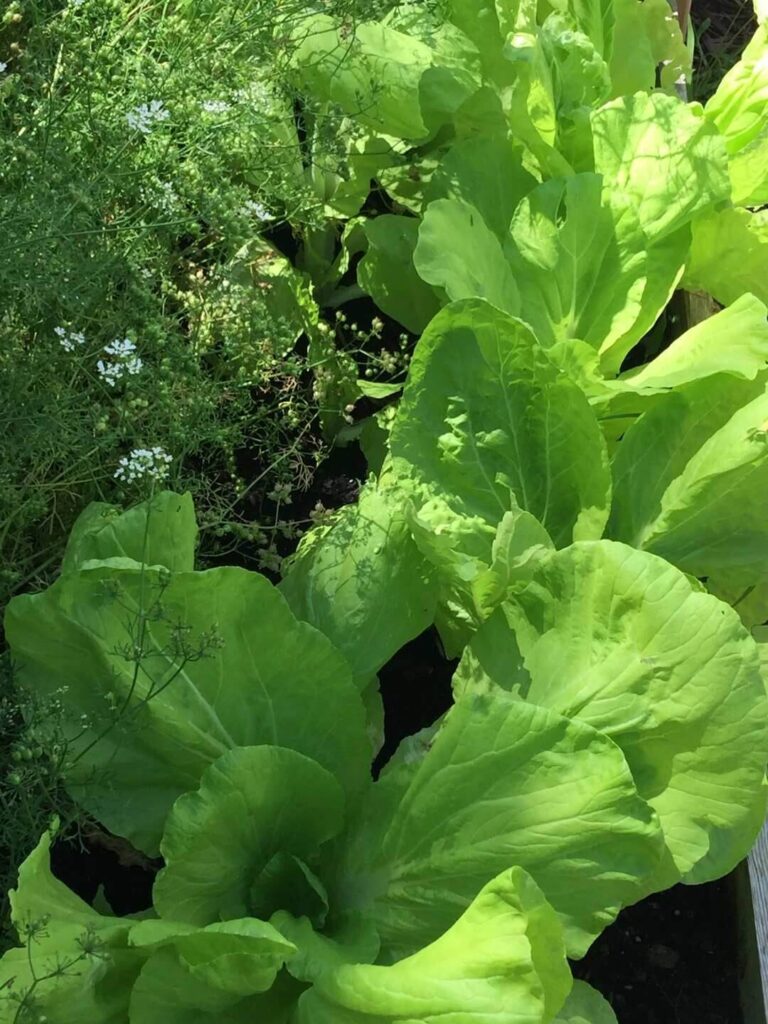
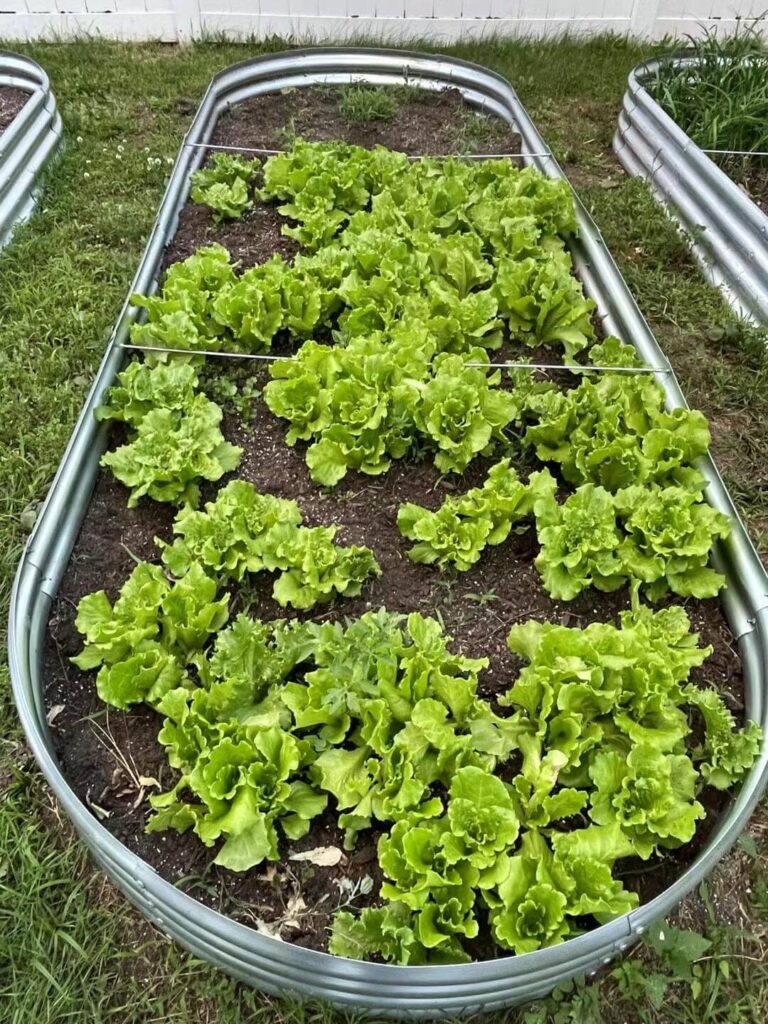
Choosing the right crops is essential.
Best vegetables for early spring:
- Kale
- Spinach
- Peas
- Lettuce
- Radishes
These crops tolerate cold soil and light frost.
👉 External reference:
https://extension.umn.edu/planting-and-growing-guides/planting-vegetable-garden
🥗 What Does a Healthy Early Spring Crop Look Like?
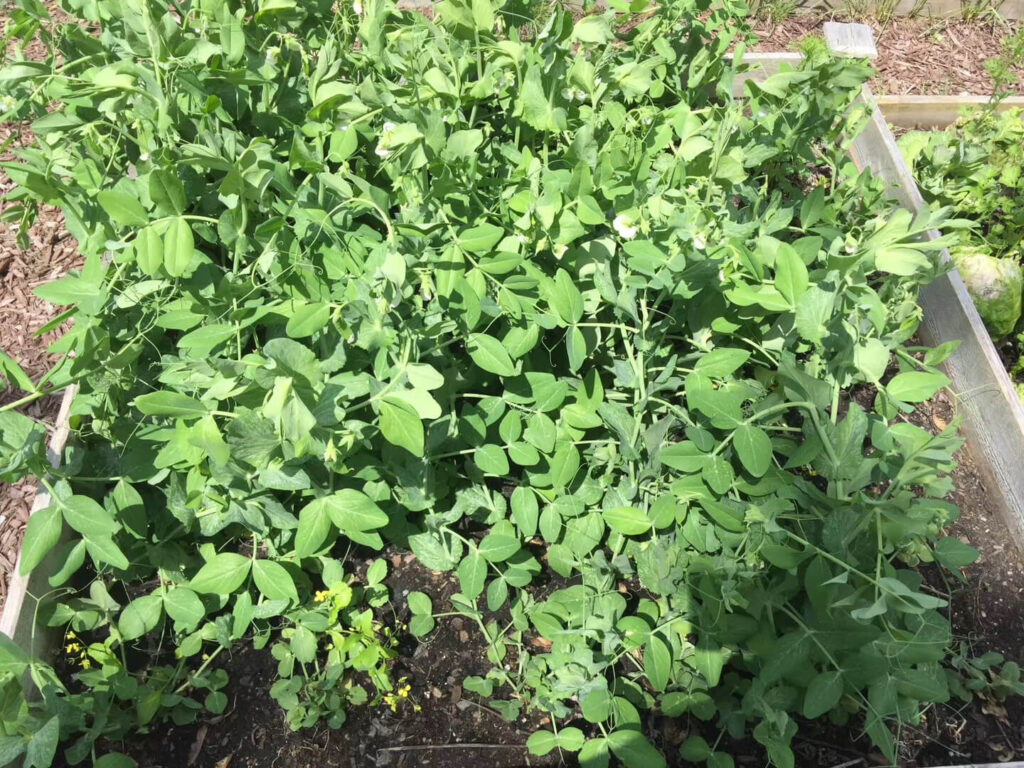
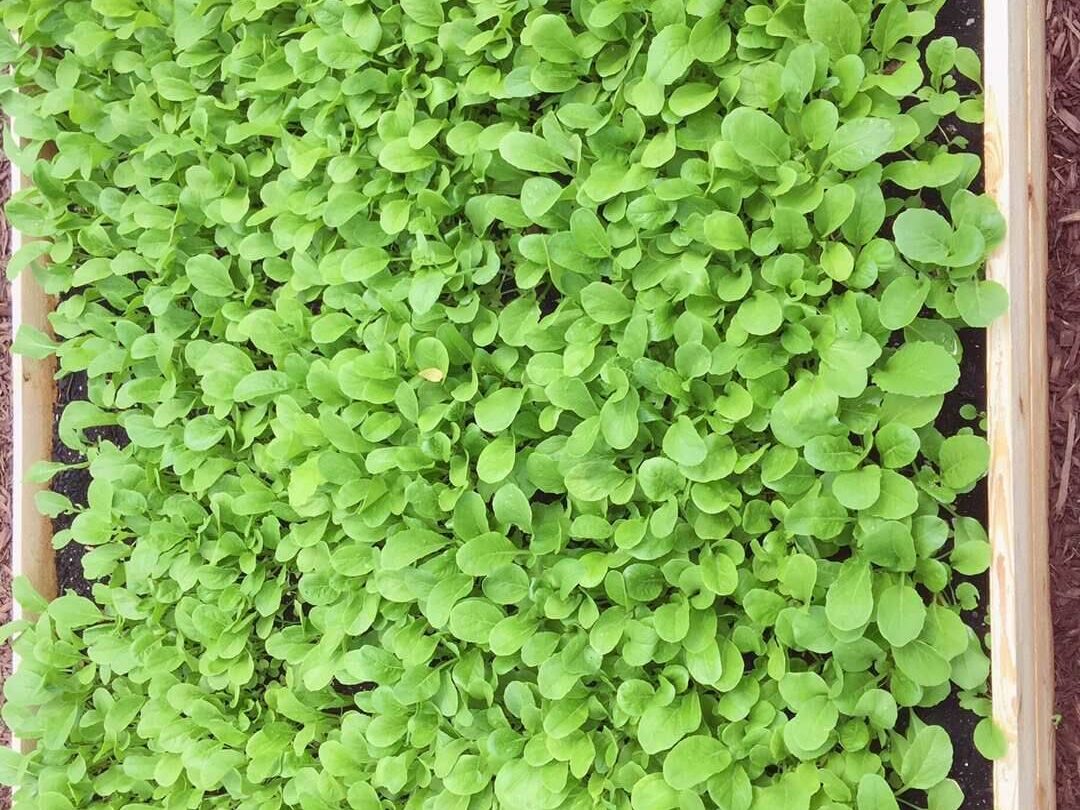
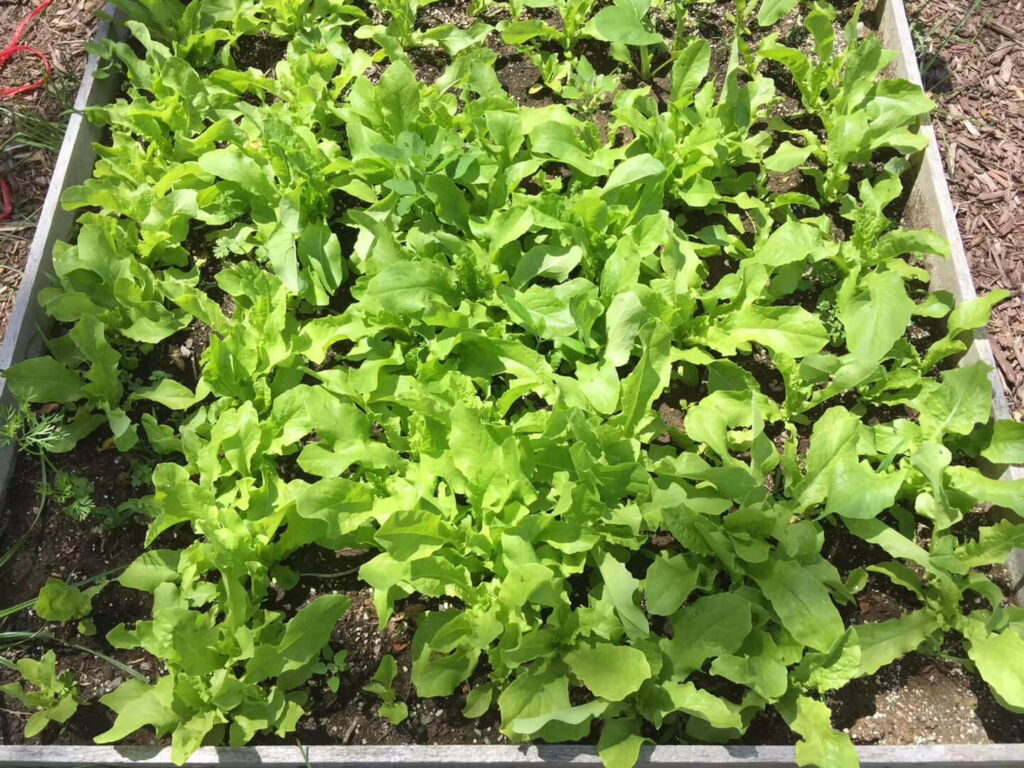
Healthy plants in early spring typically show bright green leaves, compact growth, and continuous development of new foliage.
These signs indicate that growing conditions are suitable and stable.
🥬 Example: Cabbage Recovery in Early Spring
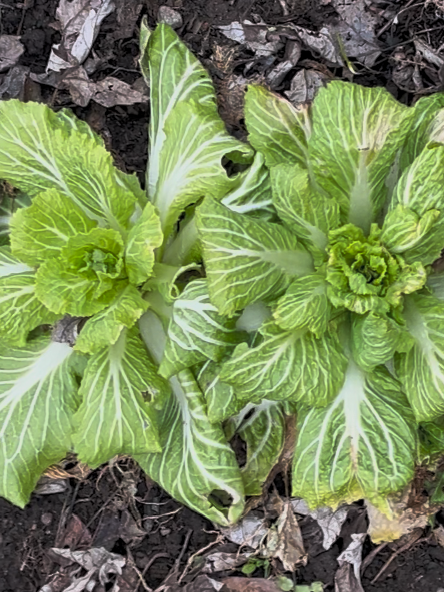
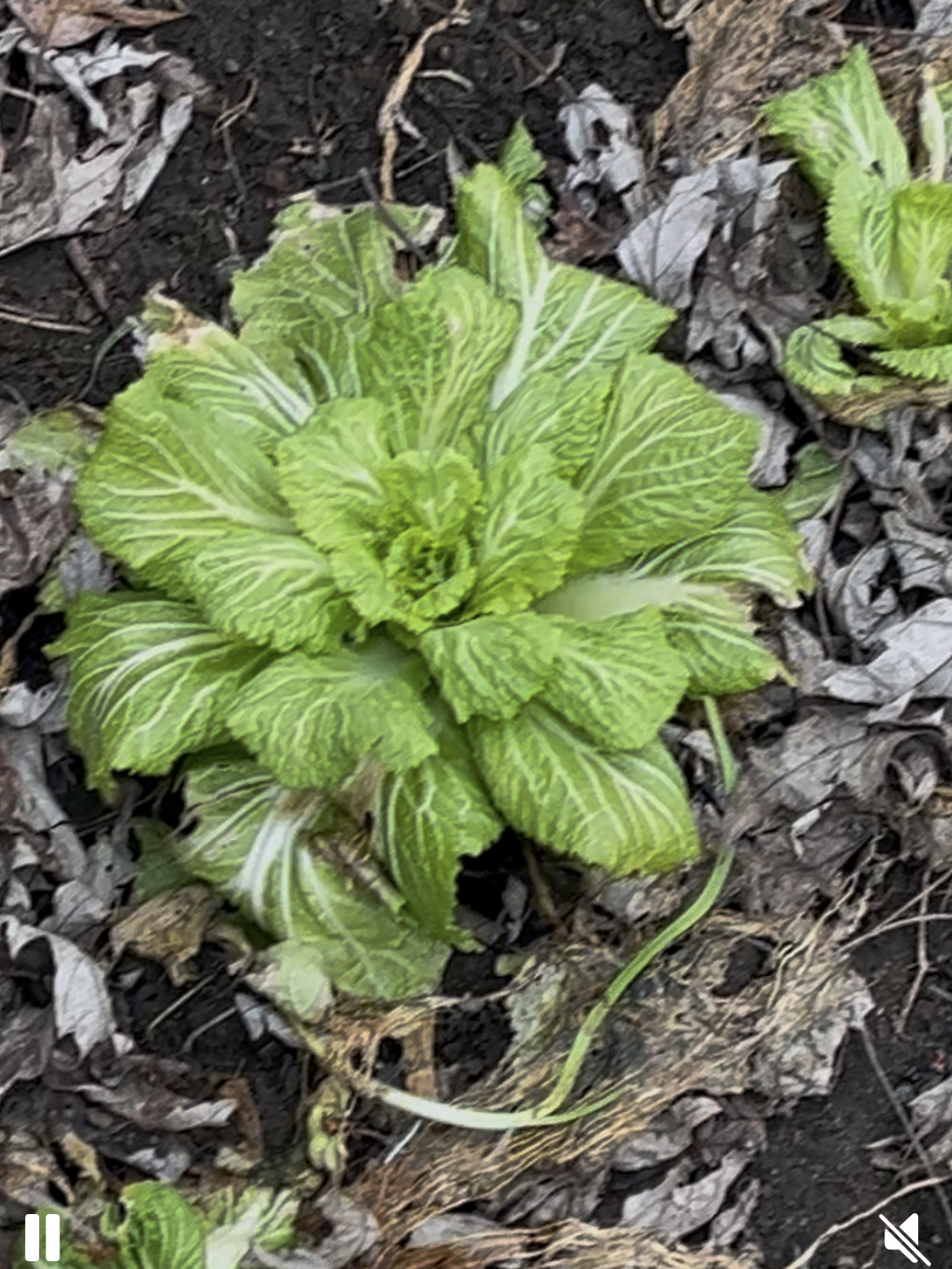
Cabbage is a good example of how plants recover after winter.
Outer leaves may appear damaged, but the center continues to grow. As temperatures rise, the plant becomes stronger and healthier.
🪴 How to Prepare Soil in Early Spring
Proper soil preparation helps support healthy growth.
Remove debris and leftover plant material from winter. Loosen the soil gently to improve aeration, and add compost to improve structure and nutrient availability.
Avoid heavy fertilization when the soil is still cold.
🌱 How to Plant Vegetables in Early Spring
There are two main planting methods.
Direct sowing works well for crops such as radishes, spinach, and peas. These seeds can be planted directly into the soil once it becomes workable.
Indoor seed starting is ideal for crops like cabbage and broccoli. Starting seeds indoors allows for earlier growth, but seedlings should be gradually acclimated to outdoor conditions before transplanting.
💧 What Is the Biggest Mistake in Early Spring Gardening?
Overwatering is one of the most common mistakes.
Cold soil holds moisture longer, and excessive watering can damage roots. It is best to keep the soil slightly moist rather than wet.
🐛 How to Manage Pests in Early Spring
Pest activity is usually lower in early spring, but some pests may still appear.
Simple methods such as manual removal, maintaining airflow, and avoiding excess moisture are usually sufficient to keep plants healthy.
⚠️ Common Problems in Early Spring Gardening
You may run into some common issues:
Seeds not germinating
→ Soil may be too cold or too wet
Yellow leaves
→ Often caused by temperature stress
Slow growth
→ Normal in cold conditions
These are common in early spring and usually improve as temperatures rise.
🔄 What to Plant After Early Spring
As temperatures rise and the risk of frost passes, it is time to transition to warm-season crops.
Tomatoes, cucumbers, and peppers are popular choices for the next stage of the growing season. Planning ahead helps ensure continuous production.
🚫 Common Beginner Mistakes to Avoid
- Planting too early in frozen soil
- Choosing warm-season crops too soon
- Ignoring sudden temperature drops
- Overwatering in cold weather
Avoiding these mistakes can greatly improve your results.
🧰 Helpful Tools for Early Spring Gardening
Some tools can make early spring gardening much easier:
- Seed trays
- Grow lights
- Row covers or plastic covers
- Raised garden beds
These are especially useful in colder climates.
✅ Final Thoughts
Early spring gardening in cold climates requires patience and observation.
Yellow leaves and slow growth are often part of the natural recovery process after winter, not signs of failure.
By understanding this stage and working with the conditions rather than against them, you can set your garden up for a productive season.