Growing your own lettuce at home is one of the easiest and most rewarding gardening projects, especially for beginners.
If you already have a raised garden bed, you’re in the perfect position to grow fresh, healthy lettuce with minimal effort.
In this step-by-step guide, you’ll learn exactly how to grow lettuce in a raised bed, even if you’ve never gardened before.
What You Need to Get Started
Before planting, make sure you have:
- Lettuce seeds or seedlings
- High-quality soil for raised beds
- A watering can or hose
- A sunny or partially shaded location
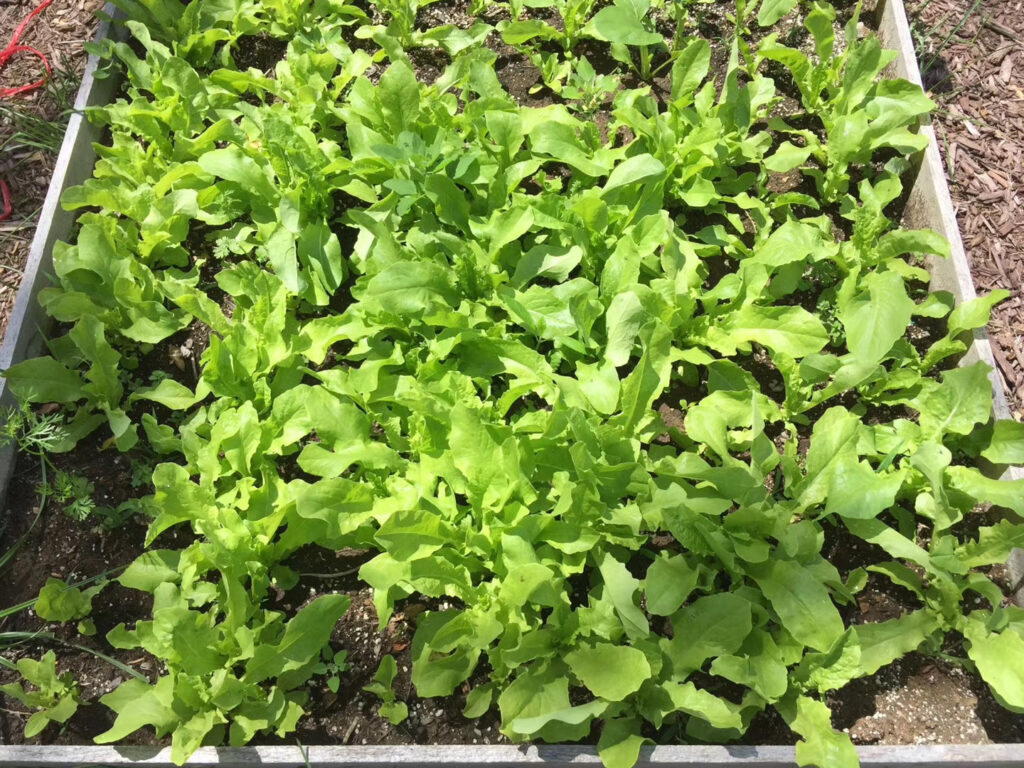
Step 1: Choose the Right Lettuce Variety
Not all lettuce varieties grow the same way. For beginners, the easiest types to grow are:
- Loose leaf lettuce
- Romaine lettuce
- Butterhead lettuce
These varieties grow quickly, are low-maintenance, and can be harvested multiple times.
Step 2: Prepare the Soil
Healthy soil is the key to growing strong, vibrant lettuce.
Lettuce grows best in soil that is:
- Loose and well-draining
- Rich in organic matter
- Slightly moist but not compacted
Before planting, mix in compost or organic matter to improve soil quality.
Step 3: Plant Your Lettuce
You can grow lettuce from seeds or seedlings.
- Plant seeds about ¼ inch deep
- Space plants 6–8 inches apart
- Avoid overcrowding to allow proper airflow
If you’re planting in rows, leave enough space between rows for easy harvesting.
Step 4: Provide the Right Sunlight
Lettuce prefers:
- 4–6 hours of sunlight per day
- Partial shade during hot weather
Too much direct heat can cause lettuce to bolt, which makes the leaves taste bitter.
Step 5: Water Consistently
Lettuce needs consistent moisture to grow well.
- Keep the soil evenly moist
- Avoid letting it dry out completely
- Water lightly every day or deeply every 2–3 days
Raised beds tend to dry out faster, so check soil moisture regularly.
Step 6: Maintain Proper Spacing
Proper spacing is essential for healthy growth.
- Keep plants 6–8 inches apart
- Thin seedlings if they grow too close together
Good spacing improves airflow and reduces the risk of disease.
Step 7: Harvest Your Lettuce
One of the best things about lettuce is how easy it is to harvest.
You can:
- Pick outer leaves early while the plant continues growing
- Harvest the whole plant when it reaches full size
This method is often called “cut and come again,” allowing multiple harvests from the same plant.
Common Questions About Growing Lettuce
Why is my lettuce growing slowly?
Slow growth is usually caused by:
- Poor soil quality
- Lack of water
- Overcrowding
- Insufficient sunlight
Improving these factors can significantly speed up growth.
How long does lettuce take to grow?
Most lettuce varieties are ready to harvest in:
- 30 to 45 days
Leaf varieties may be harvested even earlier.
What is the easiest lettuce to grow?
Loose leaf lettuce is the easiest option for beginners because:
- It grows quickly
- It requires less maintenance
- It allows multiple harvests
Best Tools and Supplies for Growing Lettuce
To make growing lettuce easier and more successful, consider using:
- High-quality raised bed soil mix
- Organic compost or fertilizer
- A watering can or drip irrigation system
- A beginner-friendly raised garden bed kit
These tools can help improve plant health and increase your harvest.
Final Thoughts
Growing lettuce in a raised bed is one of the simplest ways to start your gardening journey.
With the right soil, proper watering, and a little sunlight, you can enjoy fresh, homegrown lettuce in just a few weeks.
Whether you’re a complete beginner or looking to improve your garden, lettuce is a perfect crop to start with.