
If you’ve ever tossed banana peels, vegetable scraps, or fallen leaves into the trash and wondered if there was a better use for them, composting might be the answer.
Making compost at home is one of the easiest ways to reduce waste, improve garden soil, and grow healthier plants naturally. Even if you only have a small backyard or a few raised beds, you can create nutrient-rich compost with materials you already have.
The best part? Nature does most of the work.
What Is Compost?


Compost is organic material that has decomposed into a dark, crumbly substance often called “black gold” by gardeners.
It is made from a combination of:
- Fruit and vegetable scraps
- Coffee grounds
- Tea leaves
- Grass clippings
- Dry leaves
- Small plant trimmings
As these materials break down, they create a nutrient-rich soil amendment that improves soil structure, moisture retention, and microbial activity.
Benefits of Composting at Home
Home composting offers several advantages:
Improves Soil Health
Compost adds organic matter that helps sandy soils retain water and loosens heavy clay soils.
Reduces Household Waste
Food scraps make up a significant portion of household garbage. Composting keeps these materials out of landfills.
Saves Money
Instead of buying large amounts of commercial fertilizer, compost provides a natural source of nutrients.
Supports Healthier Plants
Plants grown in compost-enriched soil often develop stronger roots and better resistance to environmental stress.
What Can You Compost?
A successful compost pile needs a balance of green materials and brown materials.
Green Materials (Nitrogen-Rich)
- Vegetable scraps
- Fruit peels
- Coffee grounds
- Fresh grass clippings
- Tea bags (plastic-free)
Brown Materials (Carbon-Rich)
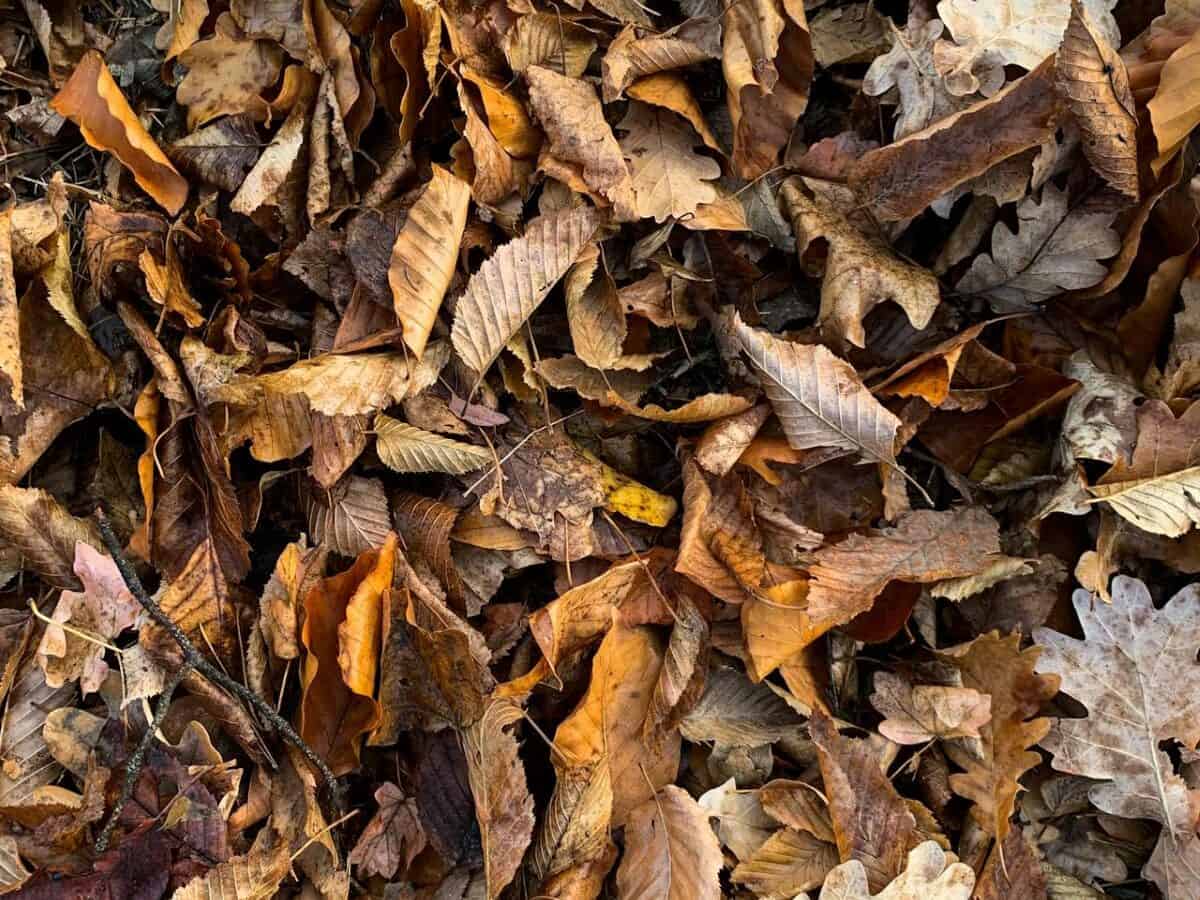
- Dry leaves
- Shredded newspaper
- Cardboard
- Straw
- Small twigs
A good starting ratio is approximately:
2–3 parts brown materials to 1 part green materials
What Should Not Go Into a Compost Bin?
Avoid adding:
- Meat
- Fish
- Dairy products
- Cooking oil
- Pet waste
- Diseased plants
- Glossy or coated paper
These materials may attract pests or slow decomposition.
Step-by-Step: How to Make Compost at Home


Step 1: Choose a Composting Location
Select a spot that is:
- Well-drained
- Partially shaded
- Easy to access year-round
If you want to speed up the composting process and keep things tidy, a compost tumbler can be a convenient option, especially for beginners. It makes turning the pile easier and may help materials break down more quickly.
Recommended: Compost Tumbler
Step 2: Start with Browns
Place a layer of dry leaves, shredded cardboard, or straw at the bottom.
This helps improve airflow and drainage.
Step 3: Add Greens
Add kitchen scraps such as:
- Banana peels
- Vegetable trimmings
- Coffee grounds
Avoid adding large chunks; smaller pieces break down faster.
Step 4: Keep Layering
Alternate brown and green materials as you add new waste.
Think of it like building a lasagna:
Brown → Green → Brown → Green
Step 5: Maintain Moisture
Your compost pile should feel similar to a wrung-out sponge.
If it’s too dry:
- Add water
If it’s too wet:
- Add more dry leaves or cardboard
Step 6: Turn the Pile
Every 1–2 weeks, mix the compost using a garden fork or compost aerator.
This introduces oxygen and speeds decomposition.
How Long Does Compost Take?
The timeline depends on temperature, moisture, and how often you turn the pile.
Typical composting times:
| Method | Approximate Time |
|---|---|
| Passive composting | 6–12 months |
| Regular turning | 3–6 months |
| Compost tumbler | 6–12 weeks |
Signs Your Compost Is Ready
Finished compost will:
- Be dark brown or black
- Smell earthy
- Feel crumbly
- Contain few recognizable food scraps
At this stage, it’s ready for the garden.
How to Use Finished Compost
You can use compost in several ways:
Vegetable Gardens
Mix 1–2 inches into garden beds before planting.
Raised Beds
Blend compost into existing soil to improve fertility.
Potted Plants
Mix compost with potting soil for added nutrients.
Around Trees and Shrubs
Apply as a natural mulch layer.
Common Composting Problems
Bad Odor
Cause:
Too many green materials.
Solution:
Add dry leaves or shredded cardboard.
Compost Not Heating Up
Cause:
Pile is too small or lacks nitrogen.
Solution:
Add more kitchen scraps and turn the pile.
Compost Is Too Wet
Cause:
Excess moisture.
Solution:
Add brown materials and improve airflow.
If you’re growing vegetables, check out our Beginner Gardening Setup That Actually Works for additional tips.
Final Thoughts
Learning how to make compost at home is one of the simplest ways to create healthier soil while reducing household waste.
You don’t need expensive equipment or a large property. With a small compost bin, a few kitchen scraps, and a little patience, you can turn everyday waste into a valuable resource for your garden.
Over time, your plants—and your soil—will thank you for it.
Affiliate Disclosure
This post may contain affiliate links. As an Amazon Associate, I earn from qualifying purchases at no extra cost to you.