
If you’ve ever tried gardening in New England, you already know one thing:
spring is unpredictable, and summer is shorter than you’d like.
That’s exactly why choosing the right vegetables matters more than anything else.
This guide focuses on what actually works in
New England — not theory, but practical, beginner-friendly crops that handle cold soil, late frost, and shorter growing seasons.
🥬 Cool-Season Vegetables (Start Early, Grow Fast)
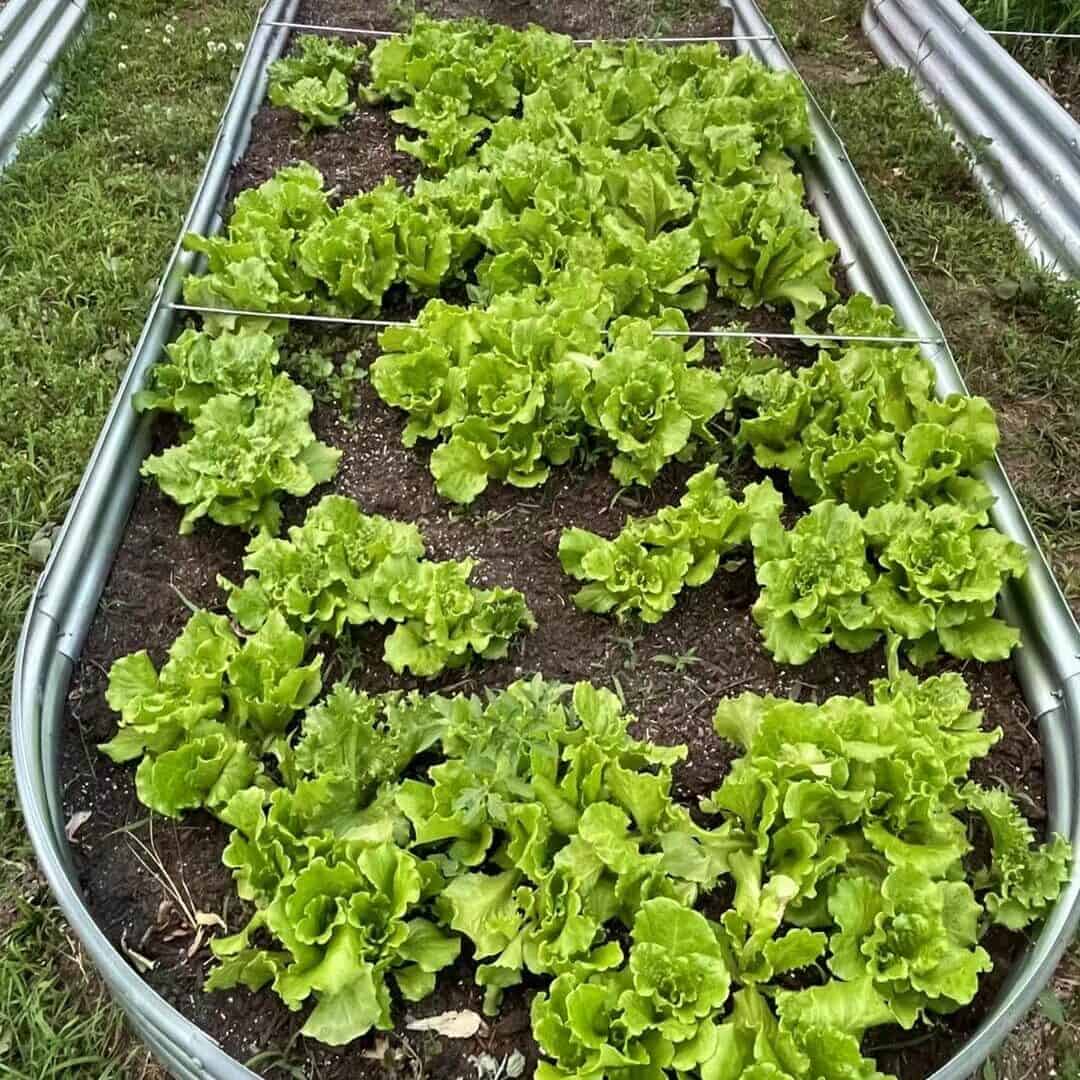


These are your early wins. You can plant them before summer even starts.
Best options:
- Lettuce
- Spinach
- Kale
Why they work:
- Handle cold soil
- Grow quickly
- Some tolerate light frost
- Spinach and kale can overwinter in the Boston area. The picture was taken in early March after the winter, and both are in the recovery period. Spinach can be harvested in early April, and kale leaves can be harvested for consumption in mid-April, or kale shoots can be harvested in late April. Of course, new seeds can also be sown in mid-March, or in early August to prepare for fresh vegetables for the following year.
👉 If you’re just starting out, this is where you should begin.
👉 seed starting trays / cold frame / frost cover
Recommended Beginner Gardening Supplies
Starting early in New England usually means protecting young plants from sudden cold nights and temperature swings.
These beginner-friendly tools can make a huge difference:
- Seed starting trays
- Cold frame greenhouse covers
- Frost protection fabric
👉 Browse beginner gardening essentials here:
Amazon Seed Starting & Frost Protection Collection
🍅 Warm-Season Vegetables (Wait for Real Warmth)


These are the vegetables most people want to grow—but timing matters.
Best options:
- Tomatoes
- Peppers
- Cucumber
👉 In New England, planting too early is the #1 mistake.
👉 For a full step-by-step schedule, read:
➡️When to Plant Tomatoes in Boston (Beginner Guide)
Why they work:
- Thrive in summer heat
- High yield
- Great for small backyard gardens
👉 grow lights / plant cages / raised garden beds
Helpful Tools for Warm-Season Crops
Warm-season vegetables grow much better when soil temperatures stay consistently warm.
Many New England gardeners use these tools to improve success rates:
- LED grow lights
- Tomato cages and plant supports
- Raised garden beds
👉 See popular gardening tools for tomatoes and peppers:
Amazon Tomato Gardening Collection
🥕 Root Vegetables (Low Effort, Reliable Results)
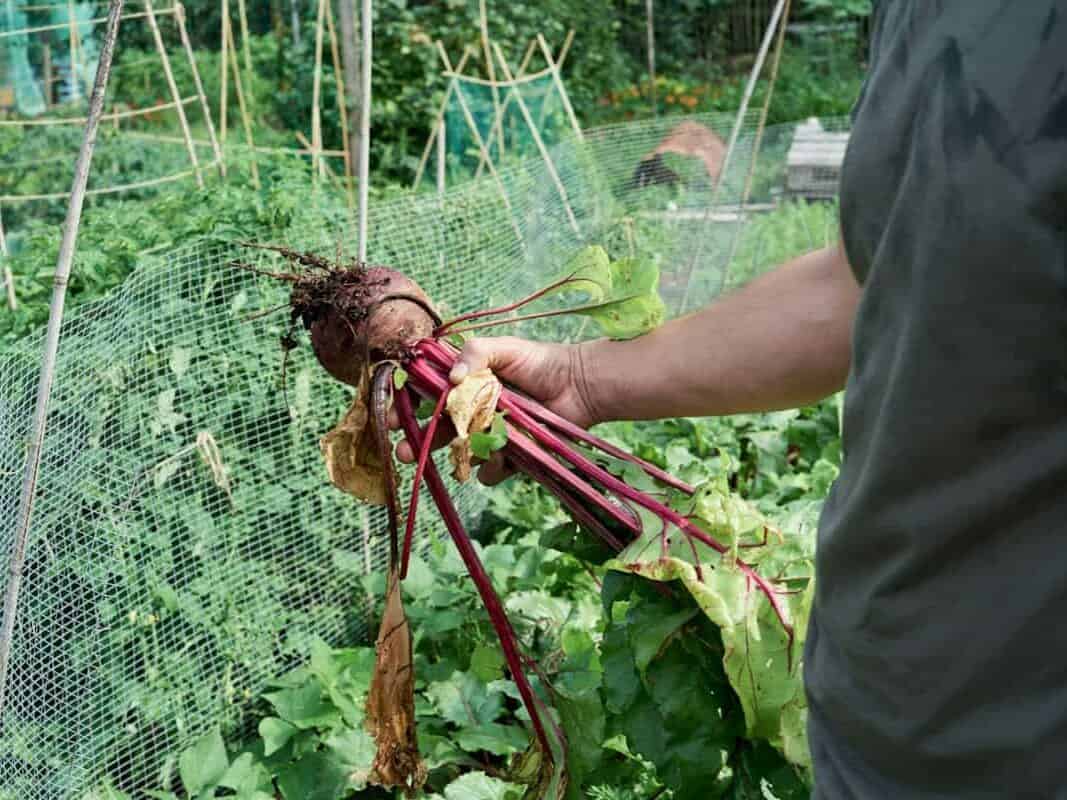


These are underrated—but extremely beginner-friendly.
Best options:
- Carrots
- Beets
- Radishes
Why they work:
- Direct sow (no transplanting needed)
- Tolerate cooler temperatures
- Radishes grow in ~30 days
👉 If you want quick results, plant radishes first.
👉 garden soil mix / raised bed soil / hand tools
Beginner Soil & Garden Tool Recommendations
Root vegetables usually perform best in soft, loose soil with fewer rocks and compacted areas.
Helpful beginner supplies include:
- Garden soil mix
- Raised bed soil
- Basic hand gardening tools
👉 Browse beginner root vegetable gardening supplies:
🧊 Cold-Hardy Vegetables (Handle Frost Like a Pro)


If you want to extend your season into fall, these are essential.
Best options:
- Cabbage
- Broccoli
- Brussels sprouts
Why they work:
- Survive frost
- Improve flavor after cold exposure
- Ideal for fall harvest
👉 Related reading:
➡️ Beginner-Friendly Vegetables That Are Almost Impossible to Fail
🌿 How to Choose the Right Vegetables (Simple Rule)
If you’re unsure what to plant, follow this:
- Early spring → cool-season crops
- Late spring → root vegetables
- After last frost → warm-season crops
That alone will prevent most beginner mistakes.
🔗 Helpful Resources
- Old Farmer’s Almanac planting calendar
- Local garden centers in Massachusetts
👉 What to Do Next
If you’re planning your garden:
- Start with lettuce or radishes (fast success)
- Then move to tomatoes once weather stabilizes
👉 Next step:
➡️Read the full tomato planting guide
Affiliate Disclosure
This post may contain affiliate links. As an Amazon Associate, I earn from qualifying purchases at no extra cost to you Affiliate Disclosure.