


If you’ve ever planted tomatoes too early in Boston, you probably know how it goes — they just sit there, stop growing, or get damaged by cold nights.
I’ve made that mistake myself.
Tomatoes here aren’t difficult to grow, but timing really makes all the difference. Once you get that right, everything else becomes much easier.
If you’re just getting started, it also helps to have a simple setup ready beforehand — especially if you’re starting seeds indoors. You can check out this beginner-friendly setup guide here:
👉[Beginner Gardening Setup That Actually Works]
For beginners, having the right basic tools can make indoor seed starting much easier and more reliable.
Many gardeners use:
- Seed starting trays
- Adjustable grow lights
- Lightweight seed starting mix
- Humidity domes for faster germination
👉 Recommended beginner supplies: [Best Seed Starter Kits for Beginners]
🌱 When to Start Tomato Seeds Indoors
In Boston, tomato seeds should be started indoors about 6 to 8 weeks before the last frost.
👉 That usually means:
- Mid-March to early April
Starting too early can lead to weak, leggy plants. Too late, and you lose valuable growing time.
If you’re starting from scratch, having a basic indoor setup (like seed trays and proper lighting) can make things much easier. If you’re not sure how to do that, here’s a simple step-by-step guide:
👉 [How to Start Seeds Indoors (Beginner Guide)]
A simple grow light setup can help prevent weak, stretched seedlings indoors — especially during cloudy New England Spring weather.
👉 Helpful beginner option: [Easy Indoor Grow Lights for Seed Starting]
❄️ Understanding Boston’s Last Frost Date
The average last frost date in Boston is:
👉 Between May 10 and May 20
That said, weather isn’t exact every year.
A safer approach is to watch the forecast and wait until temperatures stay consistently warmer at night.
🌤️ When to Move Tomatoes Outdoors


You can usually transplant tomatoes outside:
👉 Mid to late May
Before doing that, I always check:
- Night temperatures staying above 50°F
- Soil doesn’t feel cold anymore
- No sudden cold dips in the forecast
If it still feels like early spring, it’s better to wait a few extra days.
If unexpected cold nights happen after transplanting, simple plant covers or frost blankets can help protect young tomatoes.
👉 Useful for spring cold protection: [Reusable Garden Frost Blankets]
🌿 Don’t Skip Hardening Off
One thing that makes a big difference — especially in Boston — is hardening off your plants.
Instead of moving them outside all at once, gradually introduce them over 5–7 days:
- Start with a few hours in shade
- Slowly increase sunlight exposure
- By the end, they can stay out all day
It may seem like a small step, but it prevents shock and helps plants adjust quickly.
🌡️ Temperature Makes a Big Difference
Tomatoes grow best when it’s warm and stable:
- Daytime: 70–85°F
- Night: above 55°F
If nights are too cold, plants often look stuck or slow.
In many cases, it’s not something you did wrong — it’s just the temperature.
📅 Simple Planting Timeline (Boston)
Here’s a quick schedule you can follow:
- March – early April: Start seeds indoors
- Mid to late May: Move plants outside
- June: Fast growth begins
- July to September: Harvest
Once summer arrives, tomatoes tend to take off quickly.
🍅 Choosing the Right Tomato Varieties
If you’re new, keep it simple.
Some types tend to do well in the Boston / New England area:
- Cherry tomatoes (very beginner-friendly)
- Roma tomatoes (good for cooking)
- Early-season varieties (better for shorter summers)
If you’re not sure which varieties to choose, I’ve put together a simple list of beginner-friendly options here:
👉 [Best Tomatoes for Beginners (Easy Varieties)]
Starting with healthy seeds also makes a noticeable difference for beginners.
👉 Recommended beginner-friendly tomato seeds: [Easy Tomato Seeds for Home Gardens]
⚠️ Common Mistakes to Avoid
A few common issues I see:
- Planting too early (this is the biggest one)
- Ignoring night temperatures
- Not enough sunlight (tomatoes need 6–8 hours daily)
- Skipping hardening off
Most tomato problems early in the season come down to timing.
🍽️ One Thing Most People Don’t Expect
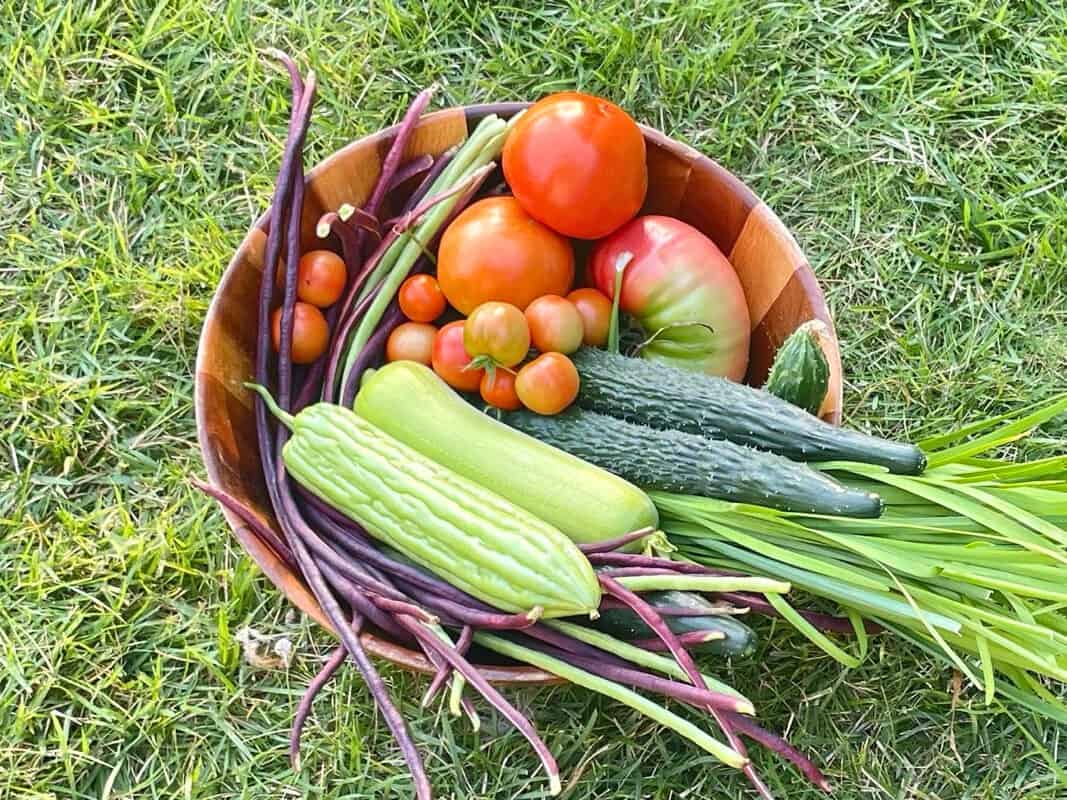


Once tomatoes start growing in summer, they really grow.
You may end up with more than you planned for — which is actually a good problem.
It helps to be ready for:
- Fresh salads
- Simple cooking
- Sharing extras
Many gardeners eventually add tomato cages or support once plants start growing quickly.
👉 Helpful support options: Best Tomato Cages and Plant Supports
🌿 What to Do Next
Once you’ve got your timing right, the next step is learning how to grow tomatoes successfully through the whole season.
👉 That includes:
- Proper watering
- Supporting the plants
- Avoiding common growing issues
If you want a simple step-by-step guide, here’s what to read next:
👉 [How to Grow Tomatoes in Boston (Step-by-Step Guide)]
🌱 Final Thoughts
Growing tomatoes in Boston isn’t complicated — it’s mostly about patience and timing.
If you wait for the weather to warm up and don’t rush planting, your plants will usually do just fine.
And once you’ve had fresh tomatoes from your own garden, it’s hard to go back.
⚠️ Affiliate Disclosure
This post may contain affiliate links. As an Amazon Associate, I earn from qualifying purchases at no extra cost to you.