✅ Quick Answer
The best vegetables to plant depend on your USDA zone and frost dates. Cool-season crops like lettuce and spinach grow best in spring and fall, while heat-loving vegetables like tomatoes and peppers thrive in summer. Understanding your planting window is the key to successful gardening.
🌎 Understanding USDA Zones
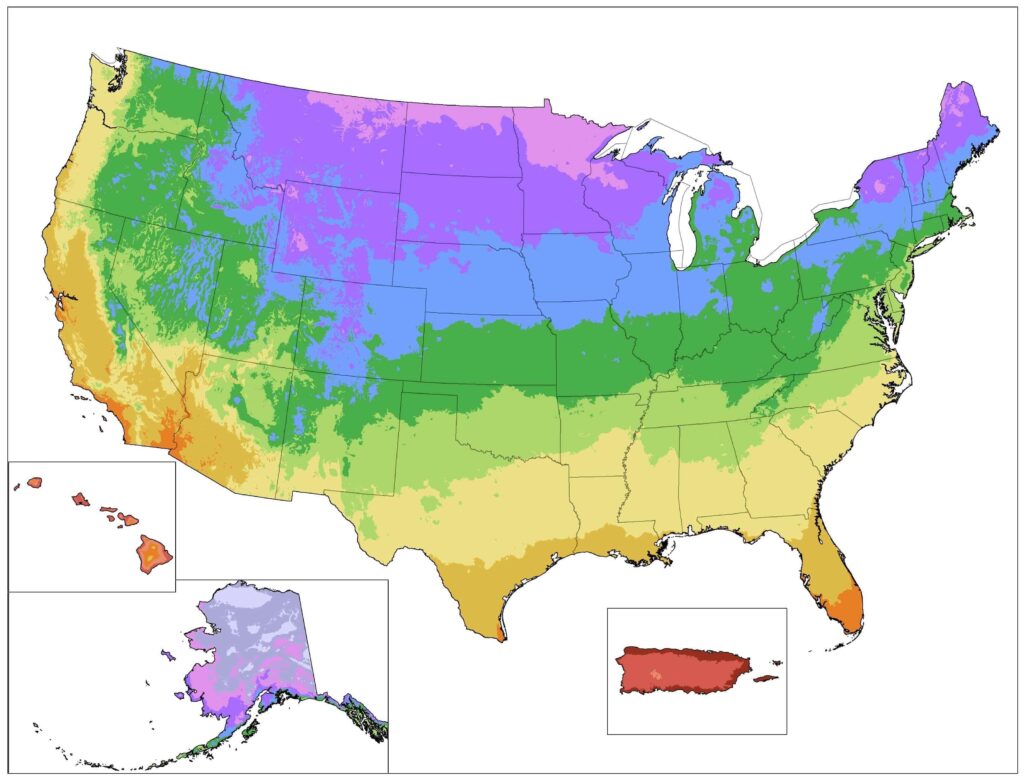
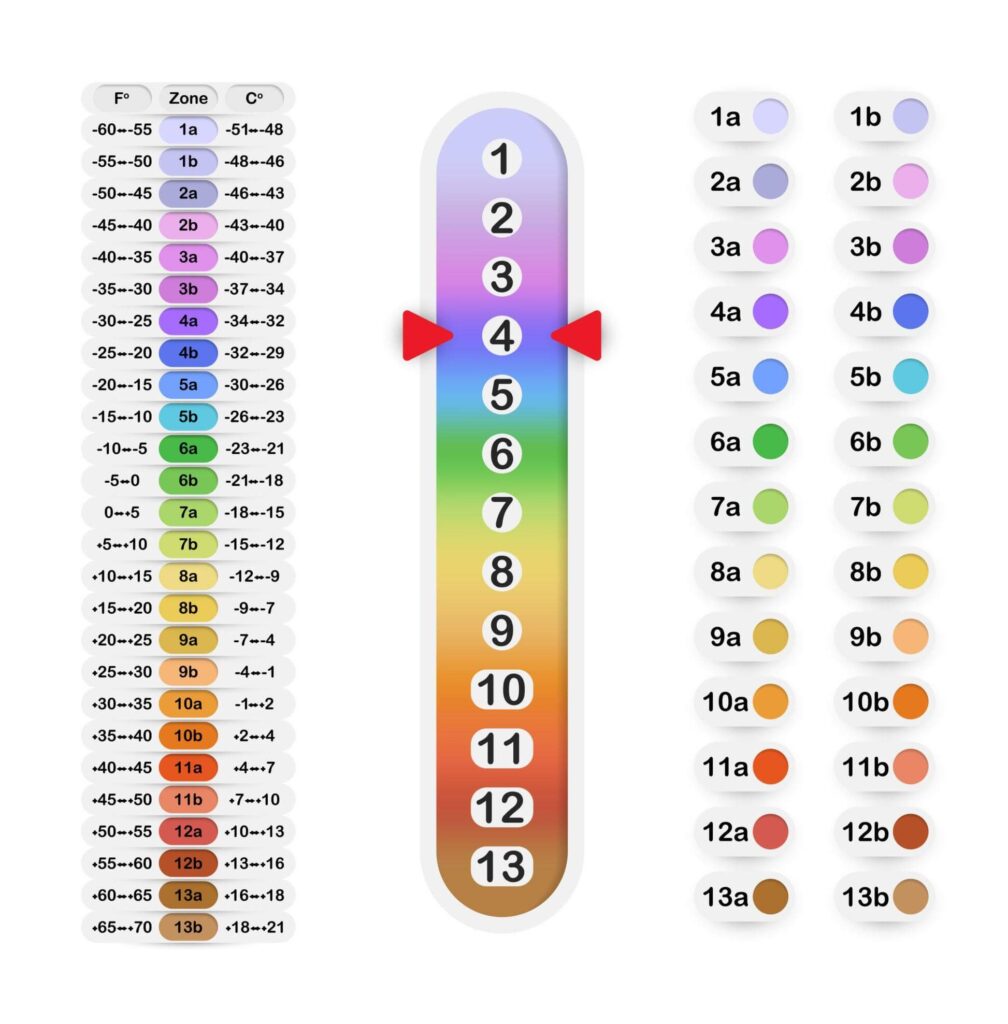
Knowing your USDA hardiness zone helps you understand what plants can survive winter in your area.
However, USDA zones only reflect average minimum winter temperatures. They do not account for important factors such as frost dates, summer heat, or rainfall.
For successful gardening, your zone should always be used together with local weather conditions.
📅 Why Frost Dates Matter More Than Zones
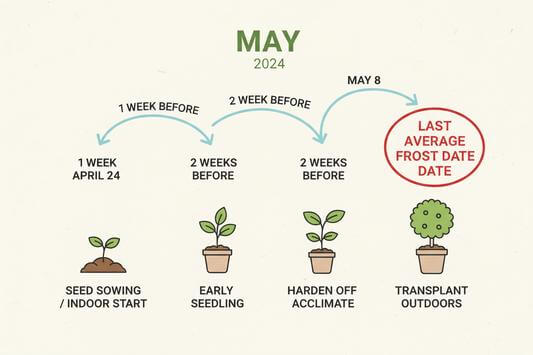
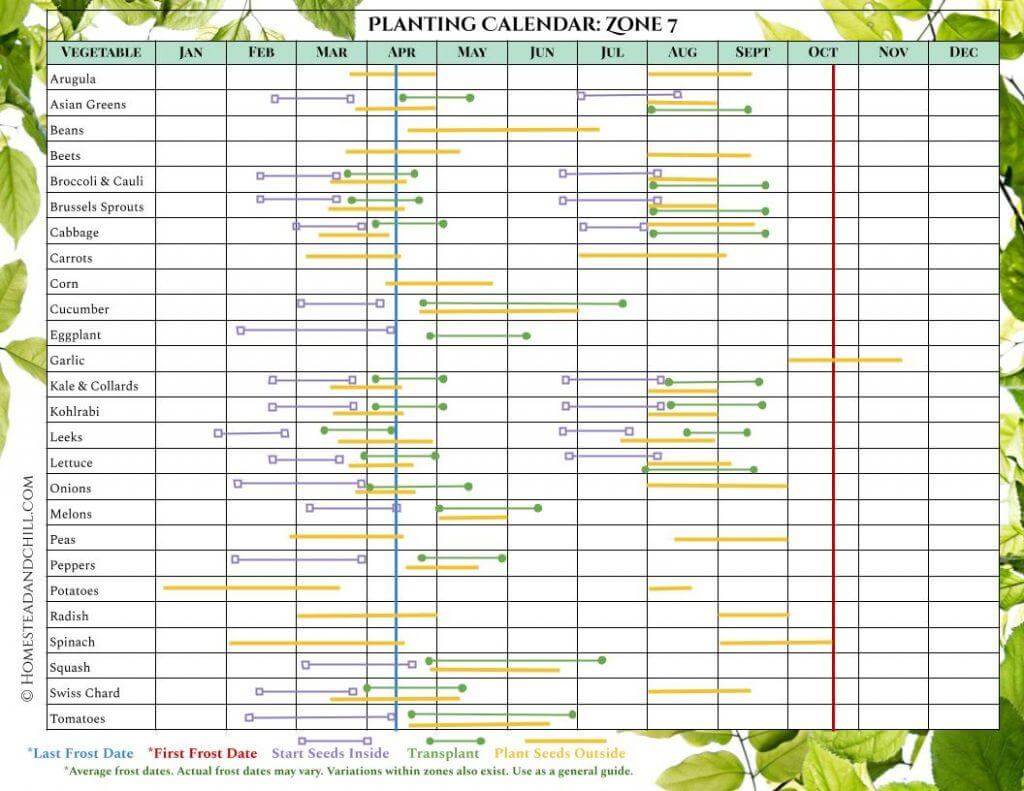
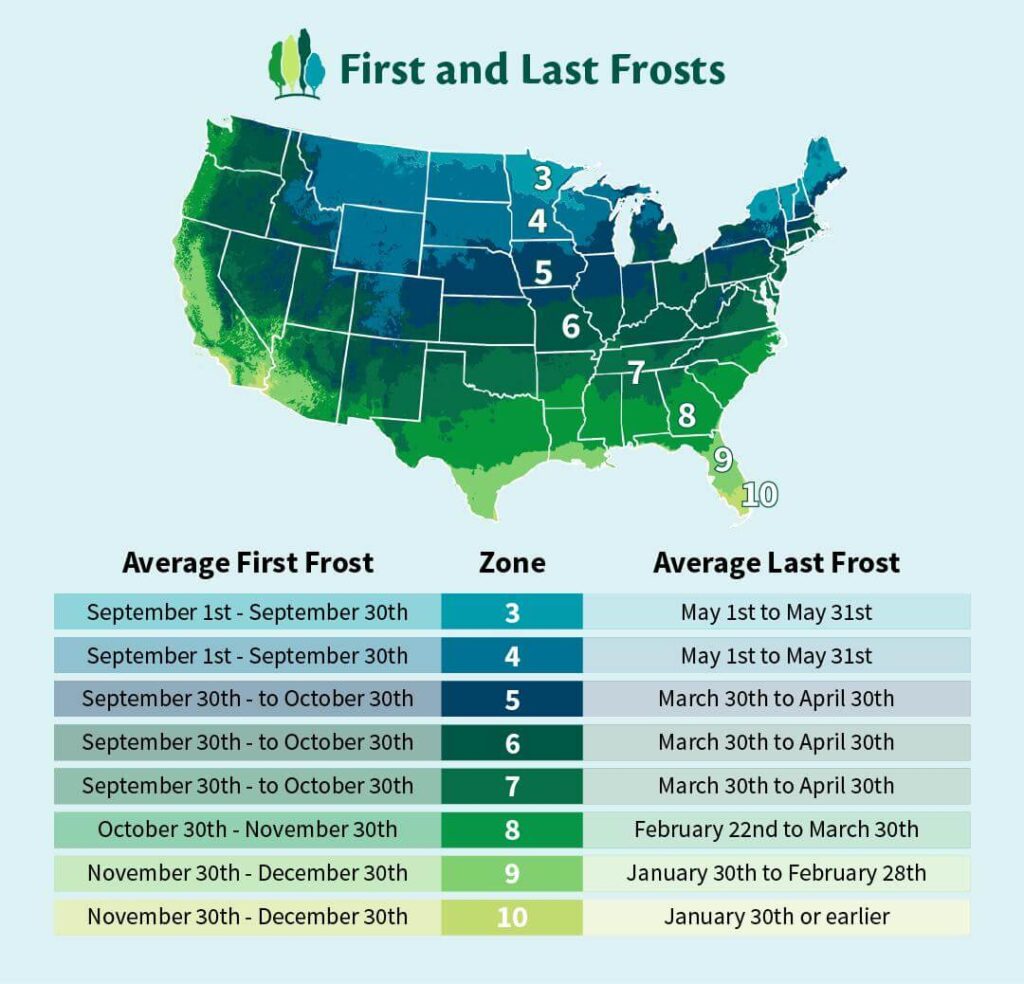
The most important factor in planting vegetables is not your zone, but your frost dates.
The last frost date in spring tells you when it is safe to start planting outdoors. The first frost date in fall tells you when your growing season will end.
These two dates define your planting window and help you decide when to start seeds indoors and when to transplant them outside.
🌸 What to Plant in Spring
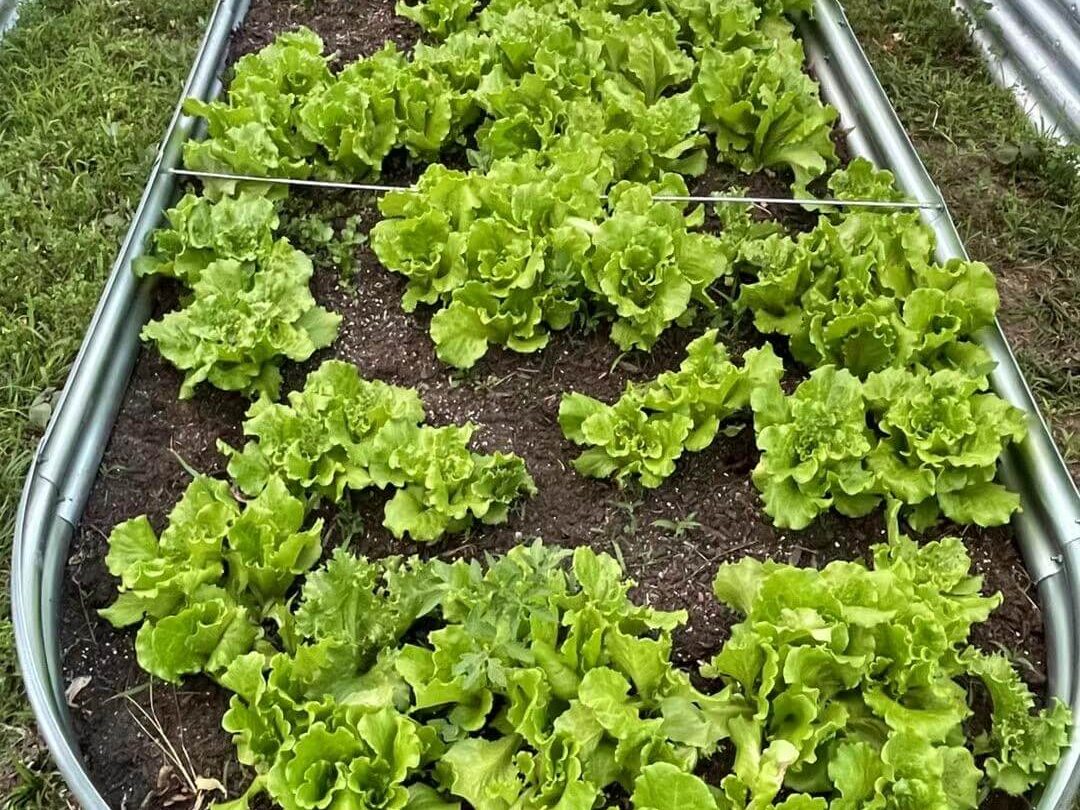
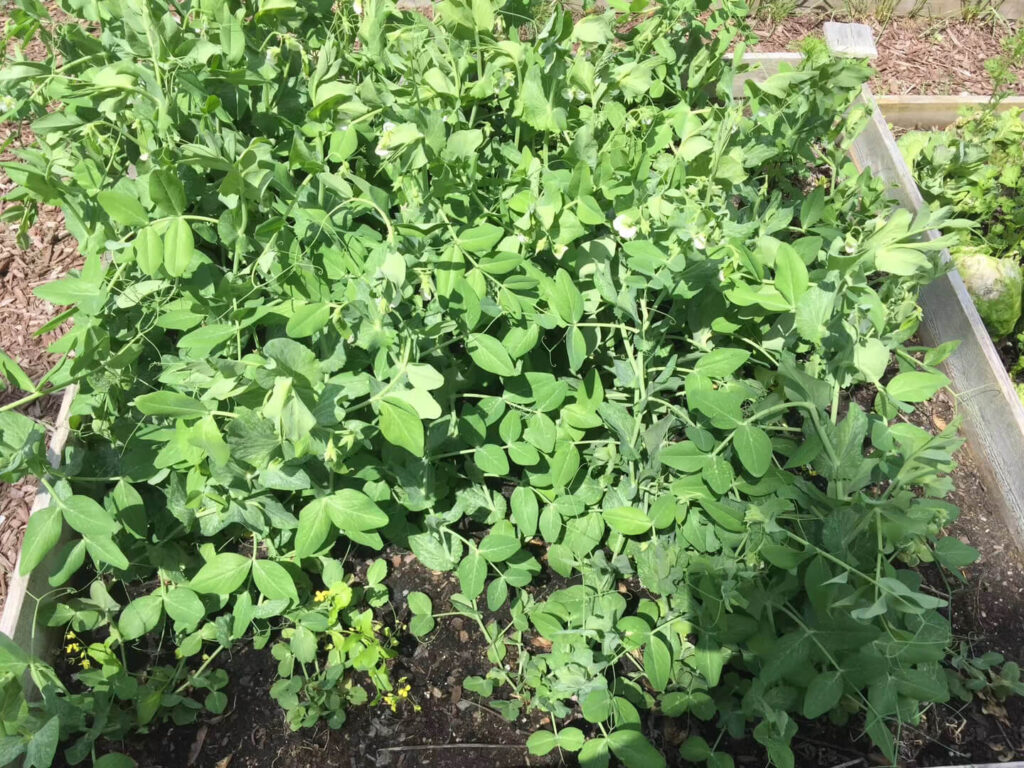
Spring is best for cool-season crops that can tolerate lower temperatures.
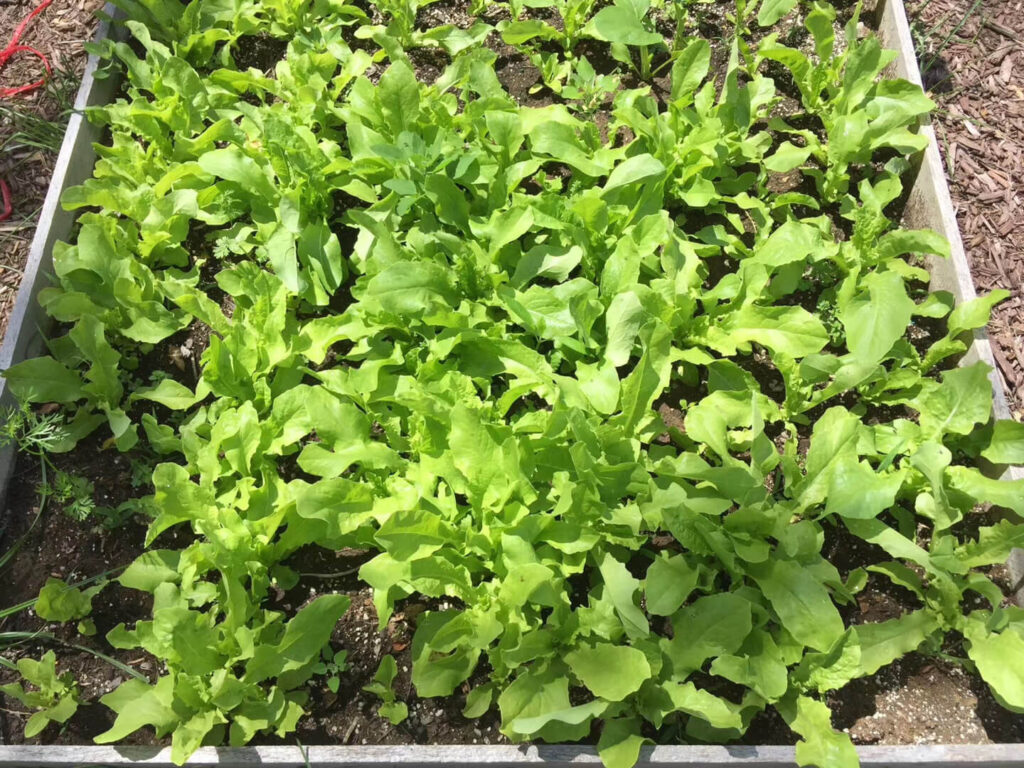
Common vegetables to plant include lettuce, spinach, peas, and carrots.
It is important to start early, but not too early. Planting in cold soil can slow growth or damage young plants.
☀️ What to Plant in Summer
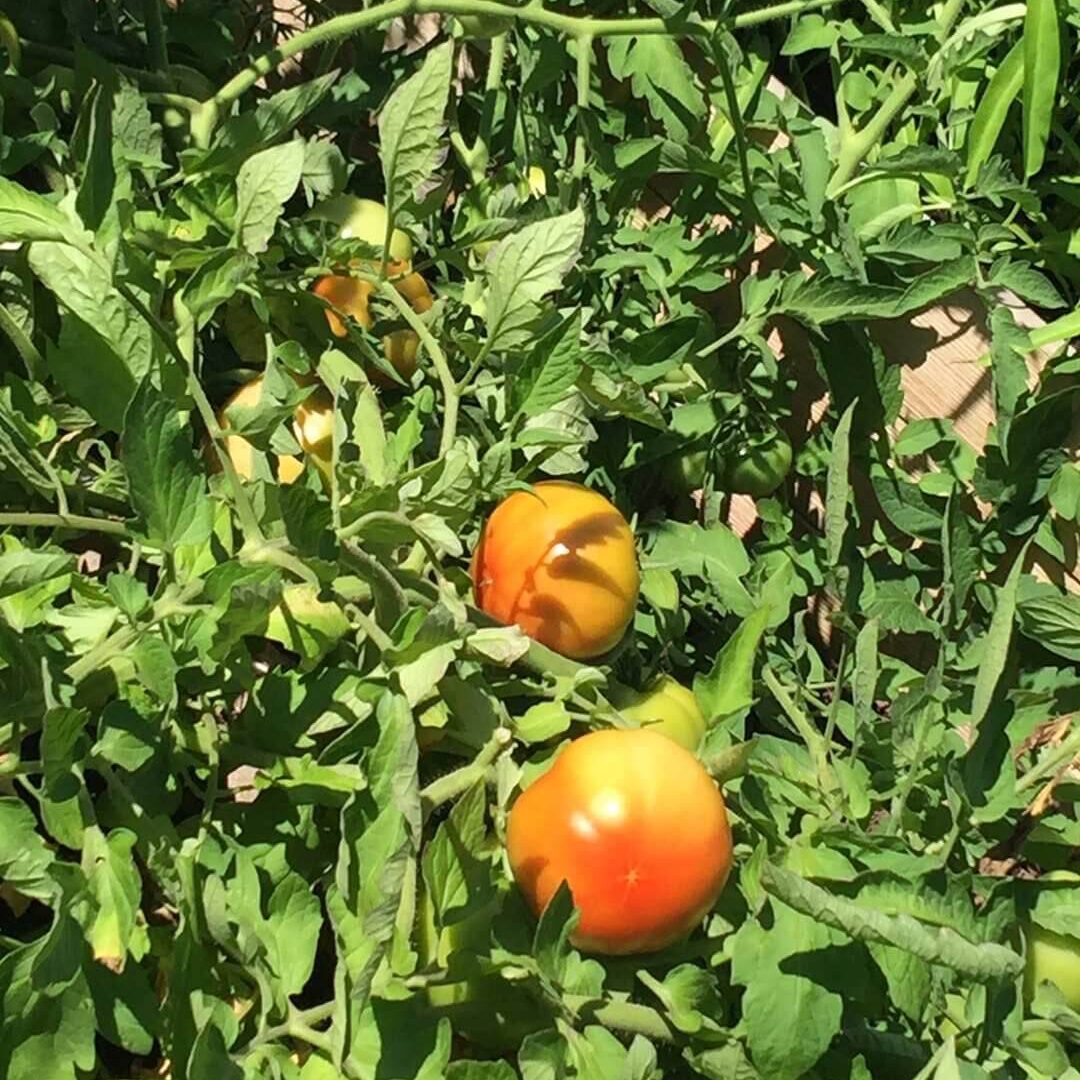
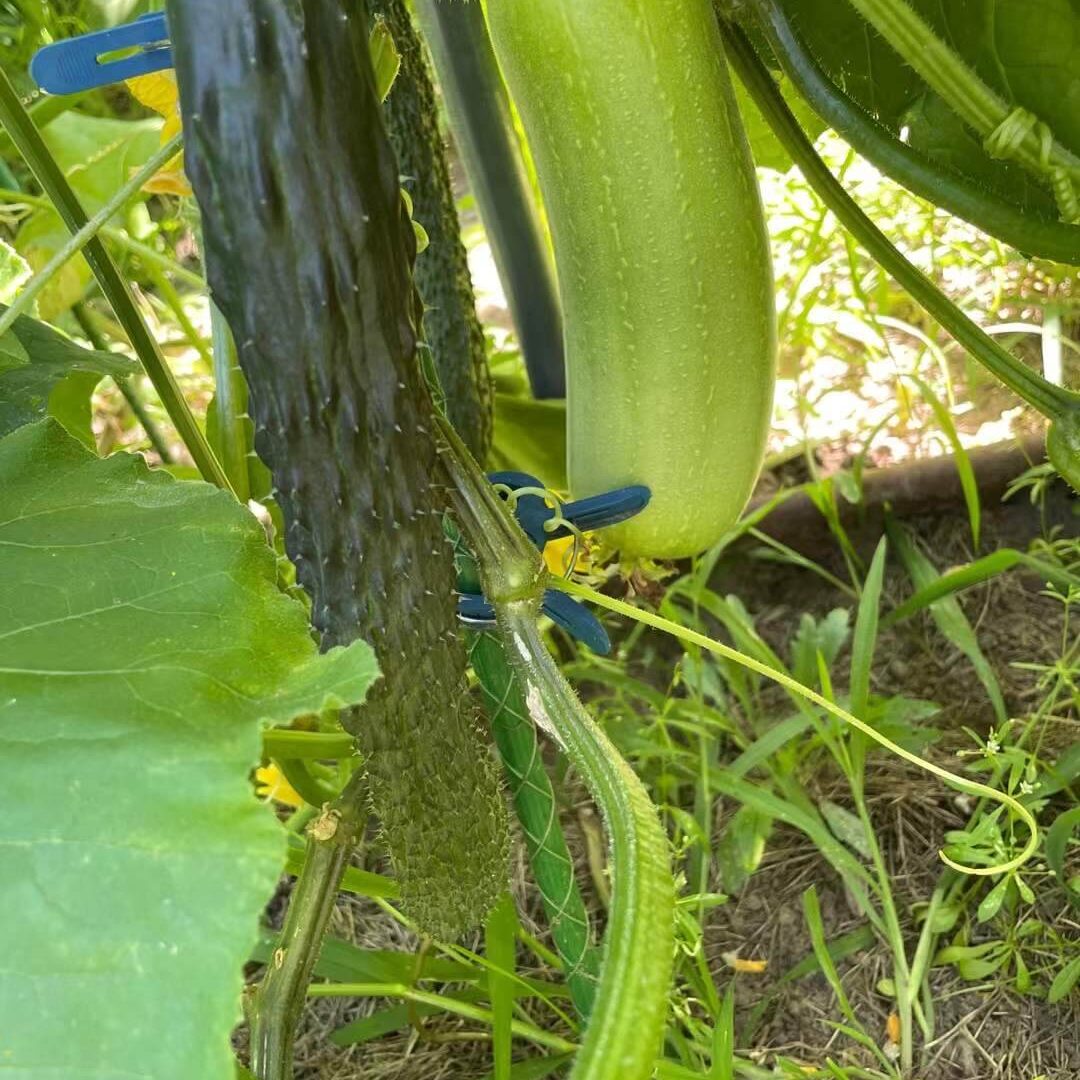
Summer is ideal for heat-loving vegetables.
Popular choices include tomatoes, peppers, cucumbers, zucchini, and beans.
In warmer zones, extreme heat can stress plants. Gardeners should consider planting earlier in the season, using shade, and watering deeply to maintain healthy growth.
🍂 What to Plant in Fall
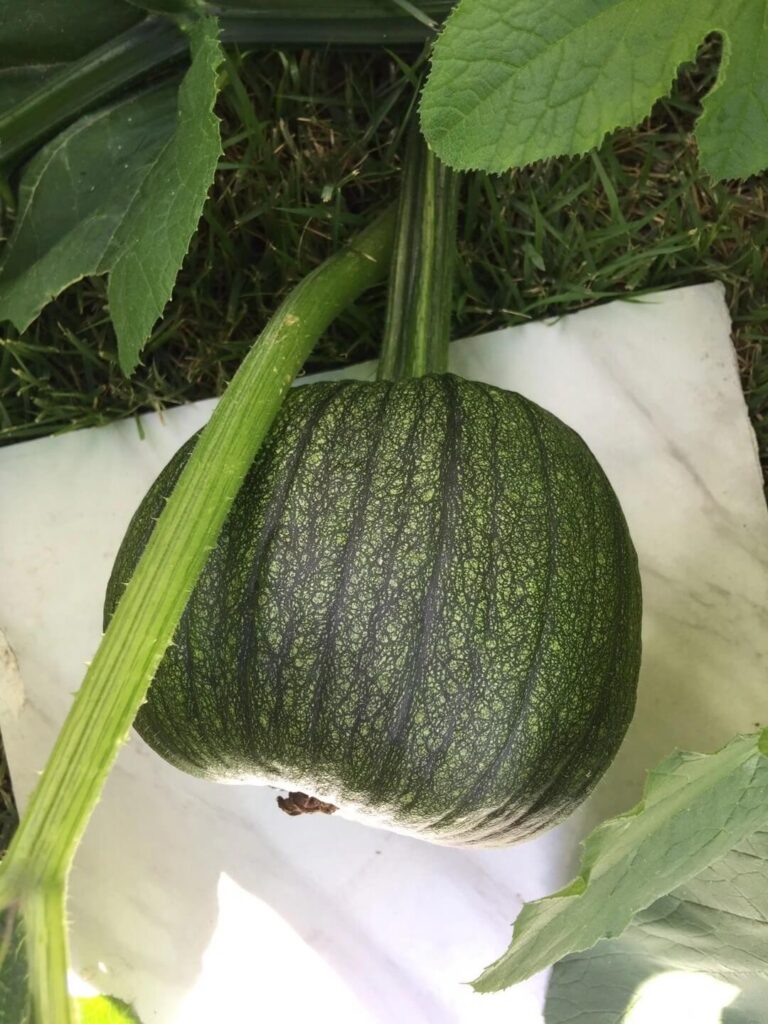
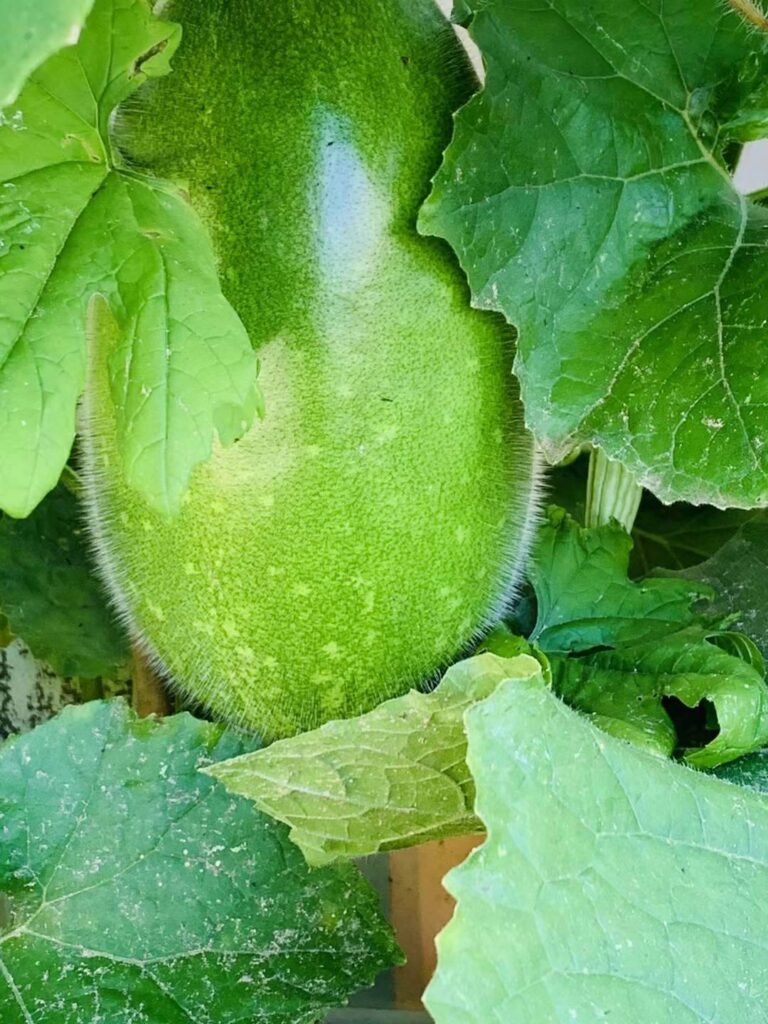
Fall is one of the most productive seasons for vegetable gardening.
Cooler temperatures and fewer pests create ideal growing conditions for crops such as kale, spinach, broccoli, and carrots.
In colder regions, planting should begin in mid to late summer. In warmer regions, fall planting can start later in the season.
❄️ What to Grow in Winter
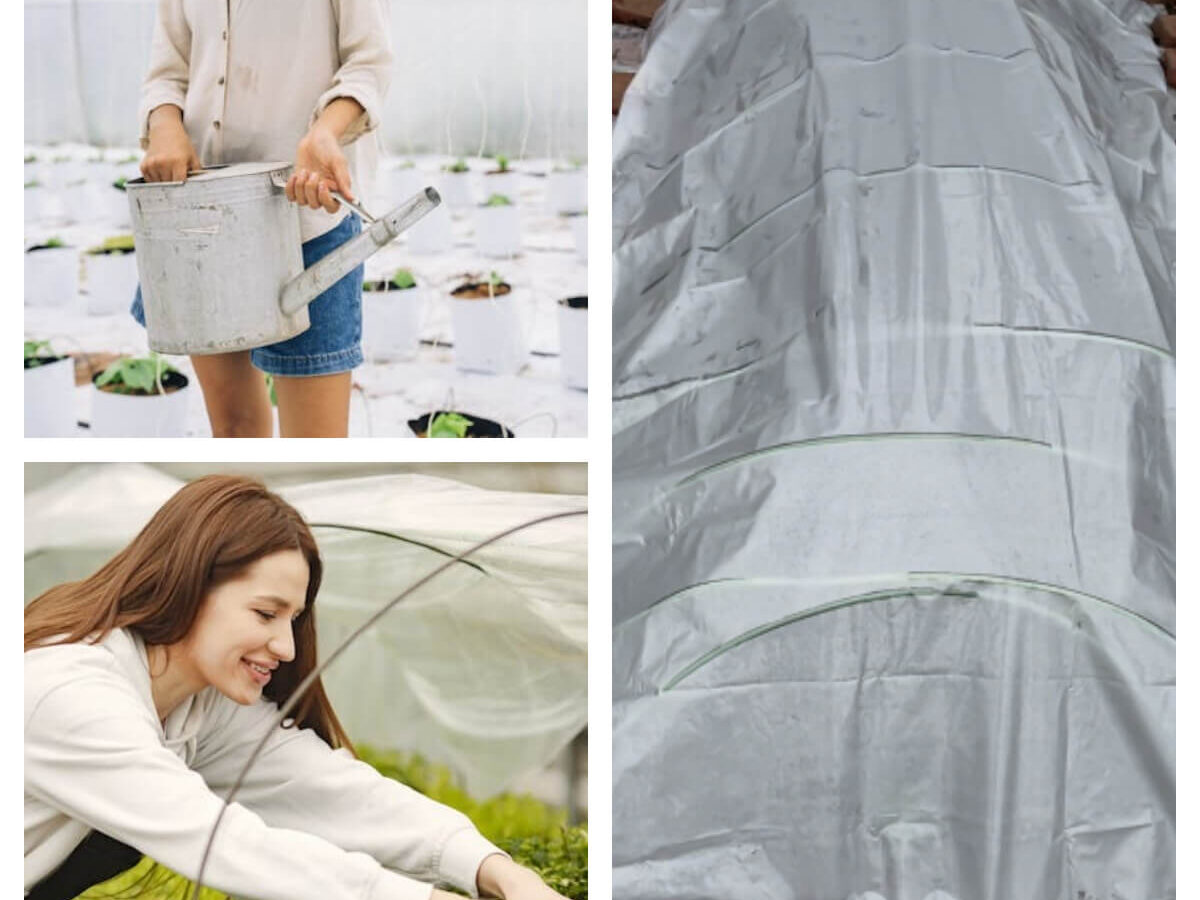
Winter gardening depends on your climate and available protection.
In colder zones, growing is mostly limited to indoor herbs, microgreens, or greenhouse setups.
In moderate and warm zones, it is still possible to grow crops like kale, spinach, lettuce, and carrots outdoors with the help of protective covers.
📊 Planting Calendar by Zone
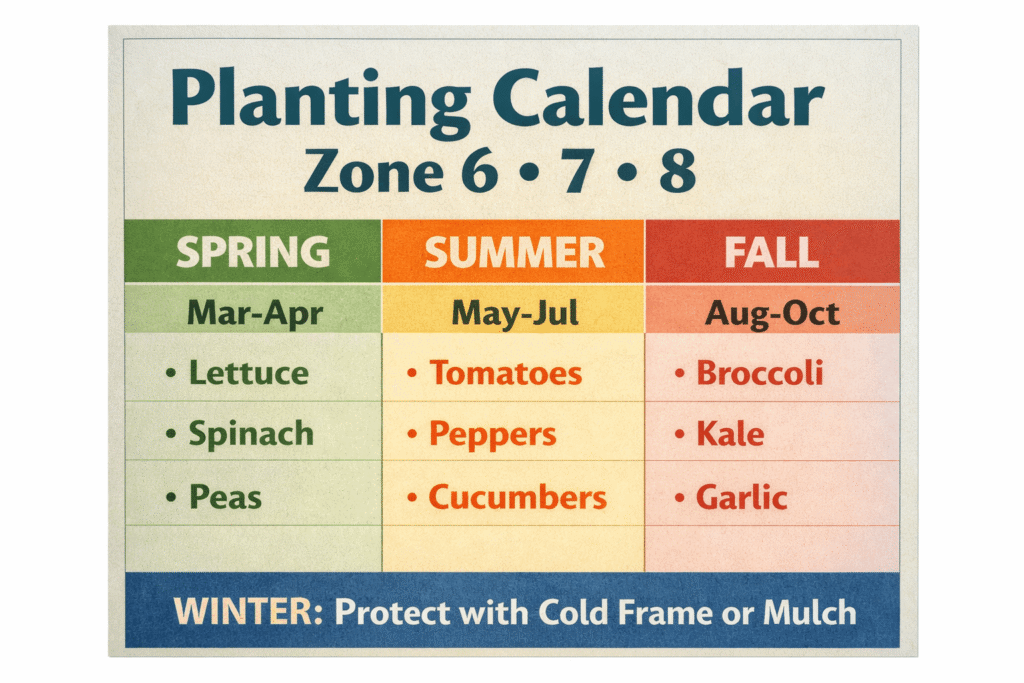
A planting calendar provides a simple way to understand when to plant different vegetables throughout the year.
By following a structured schedule, gardeners can avoid planting too early or too late and improve overall success rates.
🔁 Succession Planting (Pro Tip)
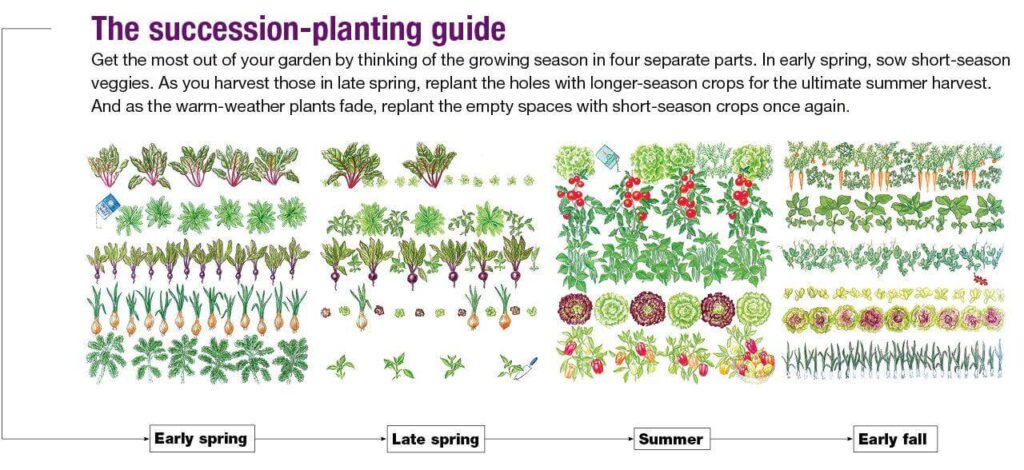
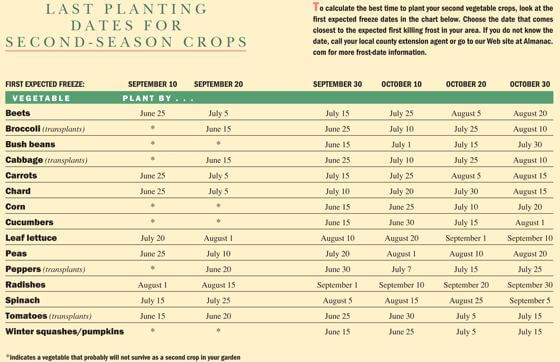
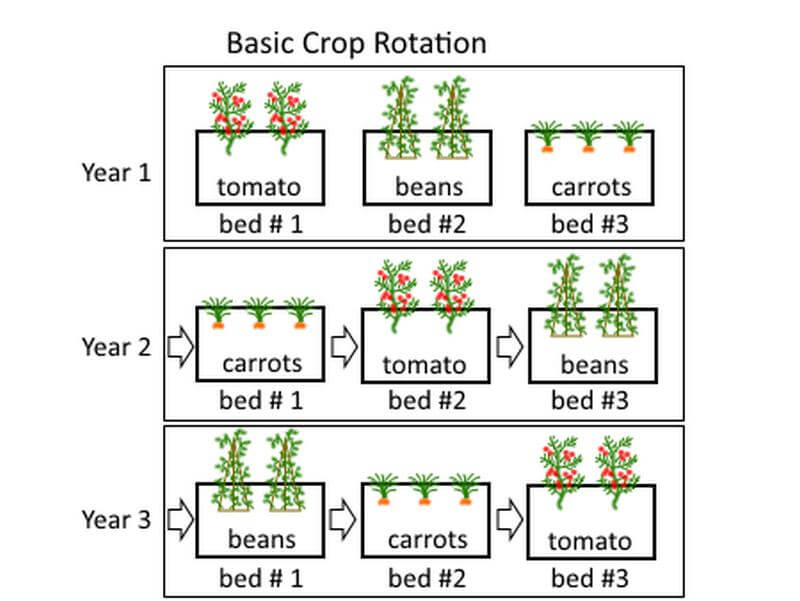
Instead of planting everything at once, succession planting involves planting small batches every two to three weeks.
This method allows for a continuous harvest, better use of space, and a more consistent food supply throughout the growing season.
❌ Common Beginner Mistakes
Many beginners struggle with a few common issues.
Planting too early is one of the most frequent mistakes, especially when the soil is still too cold.
Ignoring soil temperature can prevent seeds from germinating properly.
Overwatering is another major problem that can lead to root rot and poor plant health.
🛠️ Recommended Tools for Beginners
Using the right tools can make gardening much easier, especially for beginners.
Basic tools such as seed starting trays, grow lights, soil thermometers, and frost covers help improve planting success and extend the growing season.
🔗 Related Articles You May Find Helpful
If you want to improve your gardening results even further, consider exploring related topics such as starting seeds in cold weather and planning what to plant each month based on your local climate.
👉 You may also like: How to Grow Vegetables in Early Spring
🌿 Final Thoughts
Gardening success is not about guessing. It is about timing, observation, and consistency.
By understanding your zone, tracking frost dates, and following a simple planting schedule, you can significantly improve your results.
With the right approach, growing vegetables becomes easier, more productive, and more enjoyable over time.